

On July 15 we remember with gratitude our Newfoundland Mercy foundress, Sister Mary Francis Creedon, who died on this day in 1855 at the age of 44 years.
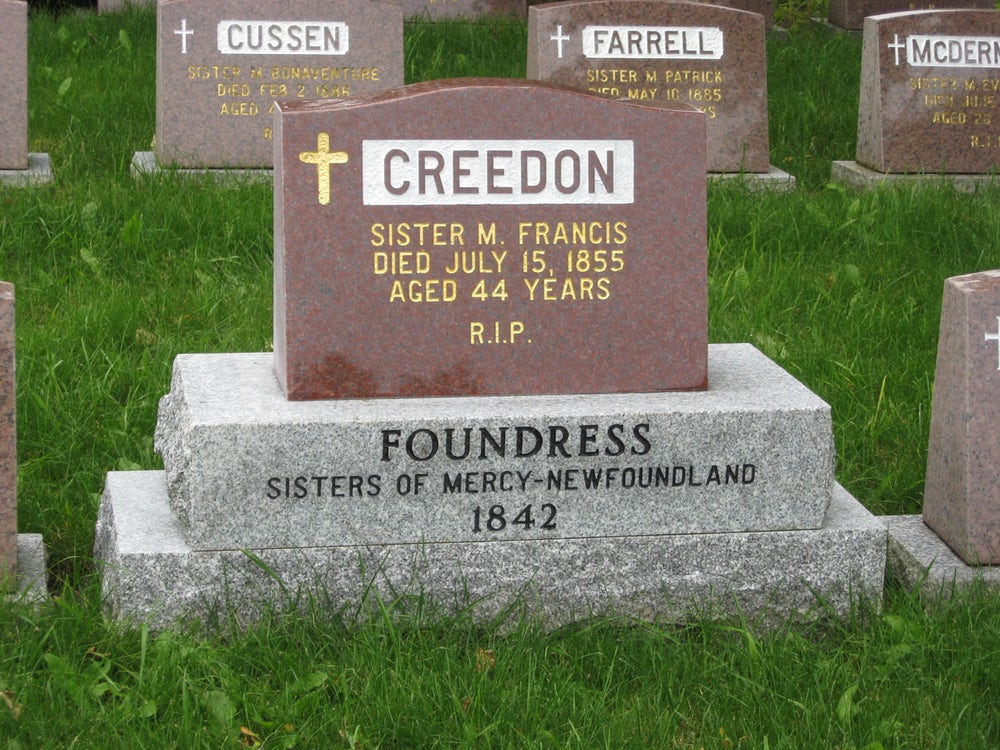 Francis was, in the words of Sister Kathrine Bellamy “The Steadfast Woman,” a woman who trusted, loved and lived in the midst of seemingly insurmountable difficulties, setbacks, conflict, loss and suffering, as well as in the joys of loving companionship, shared hopes and dedicated service.
Francis was a newly professed sister living at Baggot Street when Catherine McAuley died in November of 1841. She was among the sisters named in the codicil of Catherine’s will, charged with the preservation of the charism of Mercy. This awesome trust Francis took to heart, as was evident in her whole-hearted embrace of the mission of Mercy to the people of St. John’s. In the late 1840s and early 1850s she and her sisters became familiar figures in the lanes and alleyways of St. John’s, bringing food, comfort and hope to people, many of whom lived in deplorable poverty and wretchedness.
By the Spring of 1855 the struggles and hardships of the early days of the mission, school responsibilities, regular visitation of the sick even in times of epidemics, instruction of young women who were entering the Order, opening an orphanage and an infirmary to care for sick orphans at Mercy Convent all began to take a toll on Francis’ health. However, on July 2, less than two weeks before her death, she presided at a ceremony for the reception of Anastasia Tarrahan, the first Newfoundland-born woman to enter the community.
When Francis died on July 15, only four young sisters, one of them a novice, were left to carry on the mission. Undoubtedly inspired by her spirit and example, they created a legacy of compassion, commitment and courage that has characterized our congregation to this day. For this, we are grateful to Francis Creedon and to all our foremothers in Mercy. Having received Mercy, Francis did indeed become Mercy. This is our call, our challenge, our gift…
- Read more Sisters stories documenting our Newfoundland Mercy Story
El 15 de julio recordamos con gratitud a nuestra fundadora de la Misericordia de Terranova, la Hermana Mary Francis Creedon, que murió un día como hoy en 1855 a la edad de 44 años.
Francis fue, en palabras de la Hermana Kathrine Bellamy “La Mujer Firme”, una mujer que confió, amó y vivió en medio de dificultades aparentemente insuperables, contratiempos, conflictos, pérdidas y sufrimientos, así como en las alegrías del compañerismo amoroso, las esperanzas compartidas y el servicio dedicado.
Francis era una hermana recién profesa que vivía en Baggot Street cuando Catherine McAuley murió en noviembre de 1841. Estaba entre las hermanas nombradas en el codicilo del testamento de Catalina, encargadas de preservar el carisma de la Misericordia. Francisco se tomó muy a pecho este impresionante encargo, como quedó patente en su adhesión incondicional a la misión de la Misericordia para el pueblo de San Juan. A finales de la década de 1840 y principios de la de 1850, ella y sus hermanas se convirtieron en figuras familiares en las callejuelas y callejones de St. John’s, llevando comida, consuelo y esperanza a las personas, muchas de las cuales vivían en una pobreza y miseria deplorables.
En la primavera de 1855, las luchas y penurias de los primeros días de la misión, las responsabilidades escolares, las visitas regulares a los enfermos incluso en tiempos de epidemias, la instrucción de las jóvenes que ingresaban en la Orden, la apertura de un orfanato y de una enfermería para atender a los huérfanos enfermos en el Convento de la Misericordia empezaron a hacer mella en la salud de Francis. Sin embargo, el 2 de julio, menos de dos semanas antes de su muerte, presidió una ceremonia para la recepción de Anastasia Tarrahan, la primera mujer nacida en Terranova que ingresaba en la comunidad.
A la muerte de Francisco, el 15 de julio, sólo quedaban cuatro hermanas jóvenes, una de ellas novicia, para continuar la misión. Inspiradas sin duda por su espíritu y su ejemplo, crearon un legado de compasión, compromiso y valentía que ha caracterizado a nuestra congregación hasta nuestros días. Por ello, estamos agradecidas a Francis Creedon y a todas nuestras antecesoras en la Misericordia. Habiendo recibido Misericordia, Francisco se convirtió en Misericordia. Esta es nuestra llamada, nuestro reto, nuestro regalo…
- Lea más historias de Hermanas que documentan nuestra Historia de Misericordia de Terranova
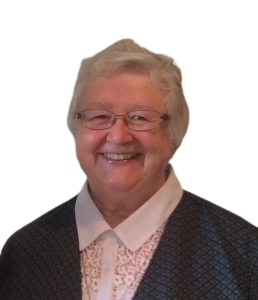 Sister Elizabeth was nominated through the

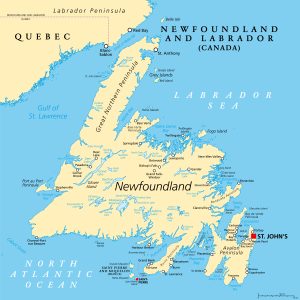 “Newfoundland is almost unique in having a settler population which has been barely diluted by further waves of migration.
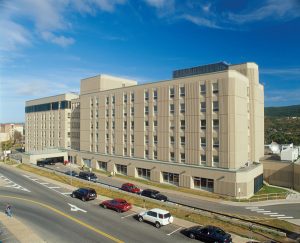
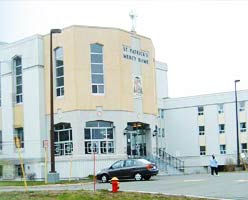 St. Patrick’s offers its residents a homelike décor, large rooms that are available to residents and family members for special gatherings; a patio garden is easily accessed while the auditorium provides space for concerts, parties and special large group gatherings. Many of the activities of the Home are supported by St. Patrick’s Mercy Home Auxiliary. The pastoral care department is welcoming to people of all faiths with many religious services being held in the large chapel. Medical, nursing, palliative, and respite care is available through its physician and nursing staff while social workers, physiotherapists, recreation and music therapists provide services that enhance the life of each resident in a particular way.
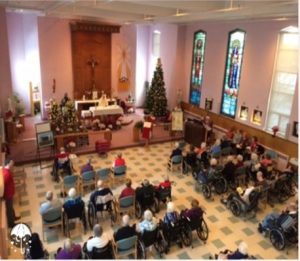 The year 2008 marks the 50th anniversary year of St. Patrick’s. Many and varied activities and celebrations involving staff, residents, church and government officials and the general public took place throughout the year. The chapel was rededicated to Archbishop P. J. Skinner in recognition of his untiring efforts toward the opening of a home for the aged and infirm; St. Patrick’s Mercy Home Foundation displayed a beautiful Donor Appreciation Window, acknowledging all who contribute to the care and well-being of the residents in any way.
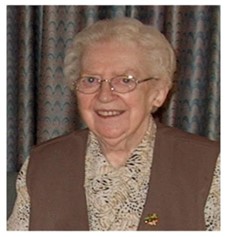 It is fitting that having celebrated
 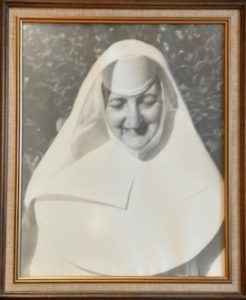 Alice Maud Gladney, known to us as Sister Mary Bernard, was born in Portugal Cove in December of 1883. Her reception into the Sisters of Mercy in April 1902 was the first of many reception and profession ceremonies to take place in the new Littledale chapel, constructed in that same year as part of the Talbot Wing on the Littledale property..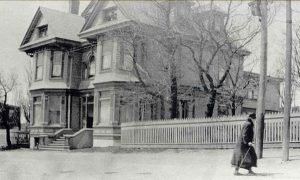
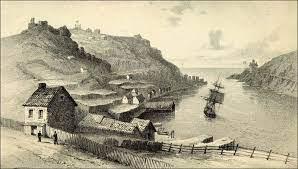 What must have been their thoughts as they looked upon the forbidding landscape with its towering rocky c liffs and craggy head lands ? Although they had seen poverty in Ireland, t he abject poverty of this place with its rude shacks and derelict fishing stages perched on the side of the hills, would have seared their hearts and minds. Sister Francis had lived in the colony for six years, but for Sisters Ursula and Rose the scene before them must have caused some dismay and distress.
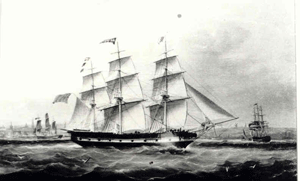 ¿Qué debieron de pensar al contemplar el imponente paisaje de acantilados rocosos y escarpados promontorios? Aunque habían visto la pobreza en Irlanda, la abyecta pobreza de este lugar, con sus rudimentarias chozas y sus abandonadas etapas de pesca encaramadas en las laderas de las colinas, les habría abrasado el corazón y la mente. La hermana Francis había vivido en la colonia
 Sisters of Mercy from Newfoundland and Peru now minister in two areas of the country – in Puerto Eten, Reque and Eten, in the Chiclayo region and in Huarmey, Casma, Ancash. Eight sisters of the Congregation of the Sisters of Mercy of Newfoundland (including four native Peruvians) work with the people, especially poor people, in towns and small villages in these two regions of Peru.
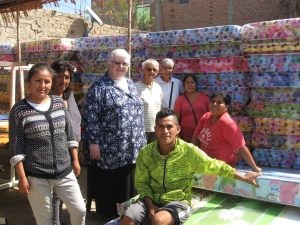 Educational programs and materials, e.g. reading materials, computers, student supplies are made available when resources allow. Emphasis is placed on working with women in areas of family care, health, nutrition, sewing, gardening, etc. Opportunities are provided for men and women to develop skills in carpentry and farming of family gardens – a cooperative venture to help people help themselves. Medical needs in the form of prescription drugs, diagnostic tests, x-rays, and special procedures or treatments are also provided through the fund.