Plastic free July is a global movement inviting people around the world to be part of the solution to the critical problem of plastic pollution.
This year’s campaign slogan is “Small steps, big difference”. Every action we take to reducing plastic waste, big or small,is part of the solution to ending plastic pollution.
While plastic was once hailed as a miracle product, we now know the damage plastic pollution does to ecosystems, the climate, human health and the economy.
All of us are being encouraged this month —and hopefully for good — to become part of the solution to beating plastic pollution, rather than a contributor to the problem.
Julio sin plástico es un movimiento mundial que invita a personas de todo el mundo a formar parte de la solución al grave problema de la contaminación por plásticos.
El lema de la campaña de este año es “Pequeños pasos, grandes diferencias”. Cada acción que emprendemos para reducir los residuos plásticos, grande o pequeña, forma parte de la solución para acabar con la contaminación por plásticos.
Aunque el plástico fue aclamado en su día como un producto milagroso, ahora sabemos el daño que la contaminación por plástico causa a los ecosistemas, el clima, la salud humana y la economía.
Este mes se nos anima a todos -y esperemos que para siempre- a formar parte de la solución para vencer la contaminación por plásticos, en lugar de contribuir al problema.
Canadian Multicultural Day was designated in 2002 by the Government of Canada as an annual opportunity to recognize, learn about and celebrate the wonderful diversity of our country and its communities. Canada has been long recognized globally as a role model for multiculturism.
On this day, June 27 we honor Canadians of all backgrounds who have made their home in this country and who are contributing in various ways from the richness of their cultures. Unfortunately, some cultural groups still experience discrimination based on race or religion.
We are encouraged through the celebration of this day to reflect on the importance of diversity and inclusion and to find ways to make our communities, churches and Canadian society in general more open, welcoming and inclusive.
El Día de la Multiculturalidad de Canadá fue instituido en 2002 por el Gobierno de Canadá como una ocasión anual para reconocer, conocer y celebrar la maravillosa diversidad de nuestro país y sus comunidades. Canadá es reconocido desde hace tiempo a nivel mundial como un modelo a seguir en materia de multiculturalismo.
En este día, el 27 de junio, rendimos homenaje a los canadienses de todos los orígenes que han hecho de este país su hogar y que contribuyen de diversas maneras con la riqueza de sus culturas. Lamentablemente, algunos grupos culturales siguen sufriendo discriminación por motivos de raza o religión.
La celebración de este día nos anima a reflexionar sobre la importancia de la diversidad y la inclusión, y a buscar formas de hacer que nuestras comunidades, nuestras iglesias y la sociedad canadiense en general sean más abiertas, acogedoras e inclusivas.
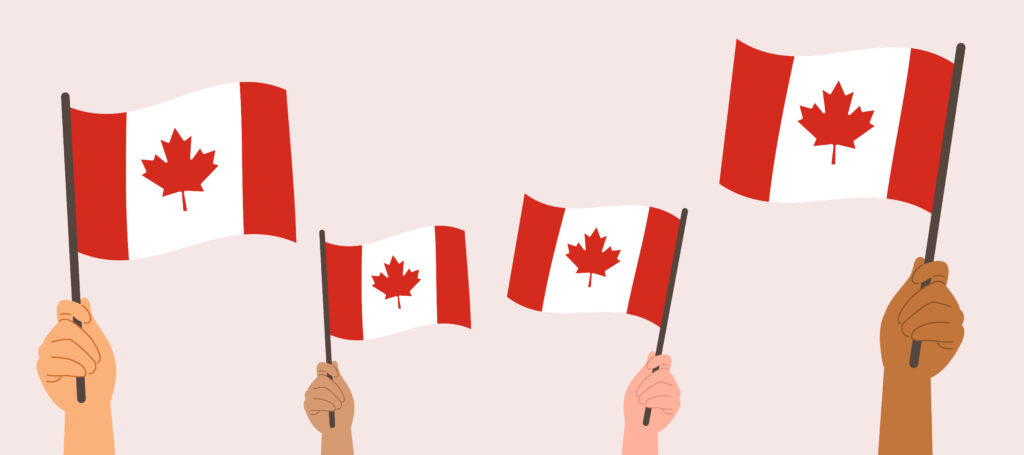
Canada Day, which is annually celebrated on July 1 Day, referring to the day July 1 in 1867 when Canada obtained its dominion status. It was on this date that 3 separate colonies merged in a confederation of 4 provinces. Canada became a kingdom in its own right still tied to the United Kingdom as the British held limited political control over Canada.
Britain’s political influence gradually diminished end was completely ended in 1982 when the Canada Act was passed making Canada independent from the United Kingdom in passing any Constitutional changes. As from that year Dominion Day was renamed as Canada Day. Coincides with Memorial Day in Newfoundland and Labrador.
Let us pray for our country as we celebrate her 159th birthday as a sovereign nation
El Día de Canadá, que se celebra cada año el 1 de julio, hace referencia al 1 de julio de 1867, fecha en la que Canadá obtuvo su estatus de dominio. Fue en esa fecha cuando tres colonias independientes se unieron en una confederación de cuatro provincias. Canadá se convirtió en un reino por derecho propio, aunque seguía vinculado al Reino Unido, ya que los británicos mantenían un control político limitado sobre el país.
La influencia política británica fue disminuyendo gradualmente hasta desaparecer por completo en 1982, cuando se aprobó la Ley de Canadá, que otorgó a Canadá independencia respecto al Reino Unido a la hora de aprobar cualquier cambio constitucional. A partir de ese año, el Día del Dominio pasó a denominarse Día de Canadá. Coincide con el Día de los Caídos en Terranova y Labrador.
Recemos por nuestro país mientras celebramos su 159.º aniversario como nación soberana.
Publica tu oración en nuestro espacio sagrado aquí.
World Refugee Day is an international day designated by the United Nations to honour refugees around the globe. It falls each year on 20 June and honours the strength and courage of people who have been forced to flee their home country to escape conflict or persecution. One in every 70 people, or 1.4 per cent of the entire world’s population, is now forcibly displaced
World Refugee Day was held globally for the first time on 20 June 2001 to commemorate the 50th anniversary of the 1951 Convention relating to the Status of Refugees. Throughout 2026, UNHCR, the UN Refugee Agency, is embarking on a series of national, regional, and global dialogues to mark the 75th anniversary of the 1951 Refugee Convention.
At the end of 2025, there were 41.6 million refugees with 5.4 million people were forced to flee and seek safety in other countries during 2025.
World Ocean Day is an annual global celebration held on 8 June to raise awareness about the critical role the oceans play in sustaining life on Earth and to promote individual and collective action to protect marine environments.
Our oceans cover 70% of the planet’s surface and play a vital role in sustaining life. From providing oxygen for every second breath we take to feeding billions of people and hosting 80% of the world’s biodiversity, the ocean is essential to our existence.
The official World Oceans Day theme for 2026 is REIMAGINE: Beyond the world we know, a new relationship with our ocean.
El Día Mundial de los Océanos es una celebración mundial que se celebra cada año el 8 de junio con el fin de concienciar sobre el papel fundamental que desempeñan los océanos en el mantenimiento de la vida en la Tierra y de promover acciones individuales y colectivas para proteger los entornos marinos.
Nuestros océanos cubren el 70 % de la superficie del planeta y desempeñan un papel vital en el mantenimiento de la vida. Desde proporcionar el oxígeno para cada segundo respiro que tomamos hasta alimentar a miles de millones de personas y albergar el 80 % de la biodiversidad mundial, el océano es esencial para nuestra existencia.
El tema oficial del Día Mundial de los Océanos para 2026 es REIMAGINAR: Más allá del mundo que conocemos, una nueva relación con nuestro océano.
World Environment Day, celebrated annually on June 5 since 1973, has grown to be the largest global platform for environmental outreach.
#WorldEnvironmentDay 2026 focuses on climate change—on the urgent signals the Earth is sending – rising seas, raging wildfires, heatwaves, melting glaciers – and the signals we choose to send back.
We said 1.5°C was the limit. We are crossing it.
UNEP’s global campaign calls on all of us to step in #NowForClimate, and steer a world already in motion.
El Día Mundial del Medio Ambiente, que se celebra anualmente el 5 de junio desde 1973, se ha convertido en la mayor plataforma mundial de divulgación medioambiental.
El #DíaMundialDelMedioAmbiente 2026 se centra en el cambio climático—en las señales urgentes que nos envía la Tierra (el aumento del nivel del mar, los incendios forestales devastadores, las olas de calor, el deshielo de los glaciares)— y en las señales que decidimos enviarle a nuestra vez.
Dijimos que 1,5 °C era el límite. Lo estamos superando.
La campaña mundial del PNUMA nos exhorta a todos a actuar #AhoraPorElClima y a enderezar el rumbo de un mundo que ya está en movimiento.
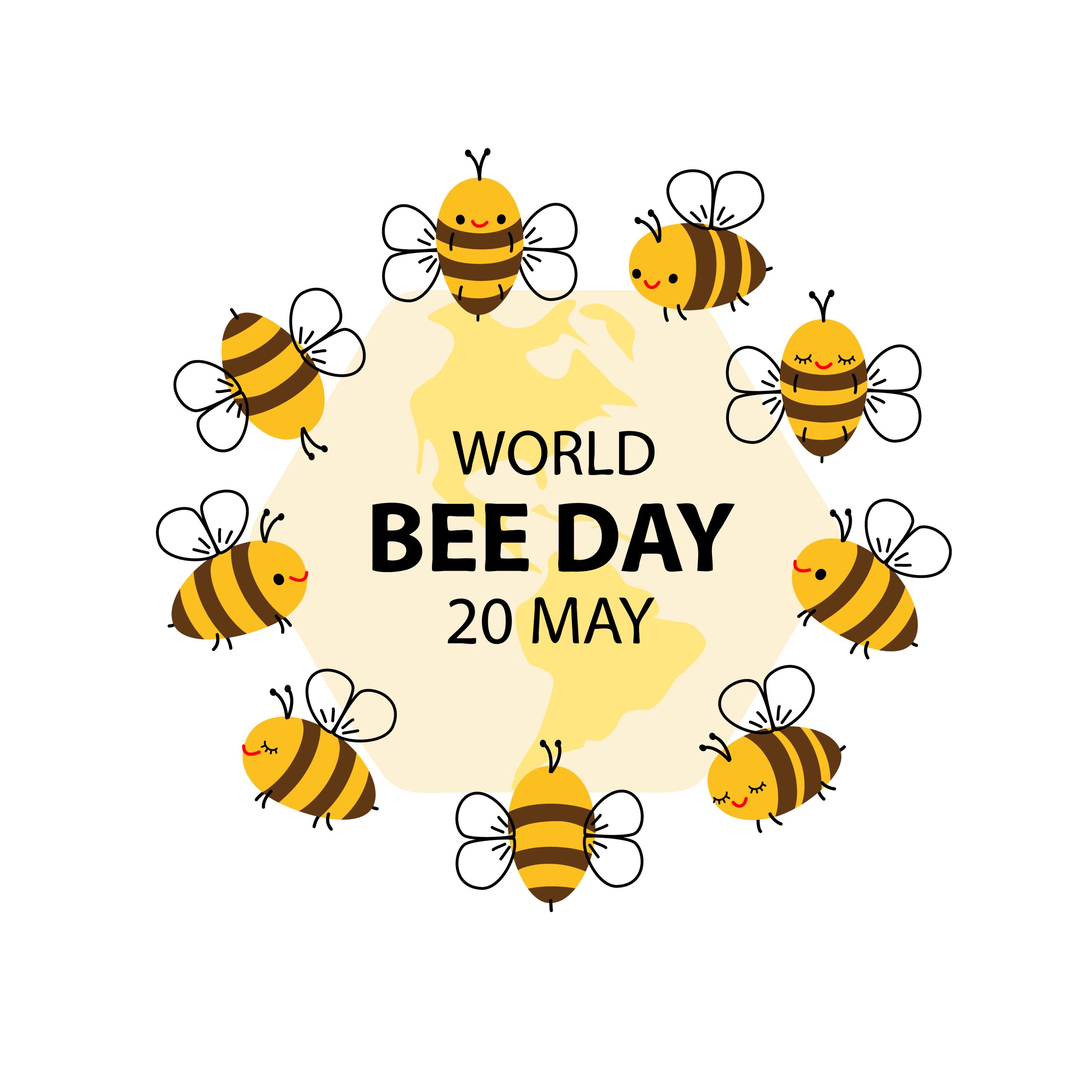
World Bee Day 2026 is celebrated on Wednesday, May 20, 2026, focusing on raising awareness about the vital role of bees and pollinators in ecosystem health, food security, and biodiversity.
The 2026 theme is: “Bee together for people and the planet. A partnership that sustains us all“
World Bee Day was designated by the United Nations in 2018 and celebrated annually on May 20. Its purpose is to draw attention to the essential role bees and other pollinators play in keeping people and the planet healthy. The month of May was chosen for World Bee Day because in the northern hemisphere the need for pollination is greatest at that time, while in the southern hemisphere it is a time for harvesting honey and other bee products.
The NL Beekeeping Association encourages a NO MOW MAY campaign, asking residents of the province not to mow their lawns for the whole month of May. This will help to provide essential food for bees and habitat for pollinators and other wildlife.
El Día Mundial de las Abejas de 2026 se celebra el miércoles 20 de mayo de 2026, con el objetivo de concienciar sobre el papel fundamental que desempeñan las abejas y los polinizadores en la salud de los ecosistemas, la seguridad alimentaria y la biodiversidad.
El lema de 2026 es: «Unidos por las personas y el planeta. Una alianza que nos sustenta a todos»
El Día Mundial de las Abejas fue designado por las Naciones Unidas en 2018 y se celebra anualmente el 20 de mayo. Su objetivo es llamar la atención sobre el papel esencial que desempeñan las abejas y otros polinizadores para mantener la salud de las personas y del planeta. Se eligió el mes de mayo para el Día Mundial de las Abejas porque en el hemisferio norte la necesidad de polinización es mayor en esa época, mientras que en el hemisferio sur es el momento de la recolección de miel y otros productos apícolas.
La Asociación de Apicultores de Terranova y Labrador promueve la campaña «NO MOW MAY» (No segues en mayo), en la que se pide a los residentes de la provincia que no seguen el césped durante todo el mes de mayo. Esto ayudará a proporcionar alimento esencial a las abejas y un hábitat para los polinizadores y otros animales silvestres.
Every year most of the world takes time to honor mothers.
We extend our thoughts and prayers to mothers to celebrate their generosity and self-giving in living out their role as life-giver, nurturer, teacher, friend and more.
We pray for all mothers, living and dead, especially our own and those who have been mother figures to us.
We hope that mothers and mother figures will always be honored and not just once a year.
Cada año, en casi todo el mundo se dedica un tiempo a rendir homenaje a las madres.
Dirigimos nuestros pensamientos y oraciones a las madres para celebrar su generosidad y su entrega al desempeñar su papel como dadoras de vida, cuidadoras, maestras, amigas y mucho más.
Rezamos por todas las madres, vivas y fallecidas, especialmente por nuestras propias madres y por aquellas que han sido para nosotros figuras maternas.
Esperamos que las madres y las figuras maternas sean siempre honradas, y no solo una vez al año.
Appreciation and Gratitude to Nurses and Nursing Personnel.
The theme of Nurses Week is: “The Power of Nurses to Transform Health” focusing on the leadership, expertise, and lasting impact nurses have on the Canadian healthcare system.
We honor all those women and men who have and who are giving their lives in the nursing care of so many men women and children. We remember our many deceased sisters who have been in the nursing ministry as infirmarians, nurses, nursing assistants, licensed practical nurses, medical service aides, nursing educators, health care administrators. We celebrate our sisters among us who are currently in the nursing profession or retired. We acknowledge the nurses who currently work at Littledale Residence and especially those in nursing care of our sisters at The Mount.
May 12 is the birthday of Florence Nightingale, pioneer, and founder of professional and dedicated nursing care. International Nurses Day (IND) is celebrated globally every year on this date
We celebrate Florence Nightingale for her leadership and recognition of the need for order, cleanliness, hygiene and disciplined care of the sick and dying. We delight in her great love and respect for our ancestors in Mercy, the many Sisters of Mercy from England and Ireland who went with Florence to care for the soldiers in Turkey during the Crimean War. Stories of how the sisters influenced and supported her are found in her many writings.
There is a large painting, Mission of Mercy: Florence Nightingale Receiving the Wounded at Scutari (Jerry Barrett) where we see a Sister of Mercy standing near Florence amidst the soldiers and wounded.
Watch a video about Florence: (2:45 Minutes)
Reconocimiento y agradecimiento a las enfermeras y al personal de enfermería.
El lema de la Semana de las Enfermeras es: «El poder de las enfermeras para transformar la salud», y se centra en el liderazgo, la experiencia y el impacto duradero que las enfermeras tienen en el sistema sanitario canadiense.
Rendimos homenaje a todas aquellas mujeres y hombres que han dedicado y siguen dedicando su vida al cuidado de tantos hombres, mujeres y niños. Recordamos a nuestras numerosas hermanas fallecidas que han ejercido el ministerio de la enfermería como enfermeras, auxiliares de enfermería, enfermeras prácticas tituladas, auxiliares de servicios médicos, formadoras de enfermería y administradoras sanitarias. Celebramos a nuestras hermanas que están entre nosotros y que actualmente ejercen la profesión de enfermería o están jubiladas. Reconocemos a las enfermeras que trabajan actualmente en la Residencia Littledale y, especialmente, a aquellas que atienden a nuestras hermanas en The Mount.
El 12 de mayo es el cumpleaños de Florence Nightingale, pionera y fundadora de la atención de enfermería profesional y dedicada. El Día Internacional de la Enfermería (IND) se celebra en todo el mundo cada año en esta fecha.
Rendimos homenaje a Florence Nightingale por su liderazgo y por haber reconocido la necesidad de orden, limpieza, higiene y una atención disciplinada a los enfermos y moribundos. Nos llena de alegría su gran amor y respeto por nuestras antepasadas de la Congregación de la Misericordia, las numerosas Hermanas de la Misericordia procedentes de Inglaterra e Irlanda que acompañaron a Florence para atender a los soldados en Turquía durante la Guerra de Crimea. En sus numerosos escritos se recogen relatos sobre cómo las hermanas la influyeron y la apoyaron.
Hay un gran cuadro, Misión de la Misericordia: Florence Nightingale recibiendo a los heridos en Scutari (Jerry Barrett), en el que vemos a una Hermana de la Misericordia de pie junto a Florence, entre los soldados y los heridos.
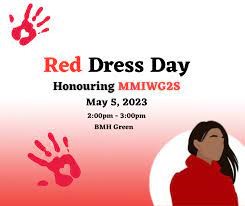
In Canada indigenous women and girls are targeted for violence more than any other group. More than 4000 indigenous women and girls have gone missing or been
murdered in the last 30 years – an appalling statistic!
Canada’s National Inquiry into this tragic history called upon all governments – national, provincial, territorial and indigenous – to work together to build an effective and accountable National Action Plan to address this crisis. Indeed, there is an urgent need for all Canadians to make efforts to raise awareness of this Canada-wide tragedy and to do whatever we can to make Canada a country for all Canadians.
Today let us remember in prayer all the victims of gender-based violence, as well as all their families and communities whose lives have been forever altered by the loss of loved ones.
El lunes 5 de mayo es el Día Nacional de Luto por las Mujeres y Niñas Indígenas Desaparecidas y Asesinadas (MMIWG), conocido a menudo como el «Día del Vestido Rojo».
En Canadá, las mujeres y niñas indígenas son el grupo más afectado por la violencia. Más de 4000 mujeres y niñas indígenas han desaparecido o han sido
asesinadas en los últimos 30 años: ¡una estadística espantosa!
La Investigación Nacional de Canadá sobre esta trágica historia hizo un llamamiento a todos los gobiernos —nacional, provinciales, territoriales e indígenas— para que trabajen juntos en la elaboración de un Plan de Acción Nacional eficaz y responsable que aborde esta crisis. De hecho, existe una necesidad urgente de que todos los canadienses se esfuercen por crear conciencia sobre esta tragedia que afecta a todo el país y hagamos todo lo posible para que Canadá sea un país para todos los canadienses.
Hoy recordemos en nuestras oraciones a todas las víctimas de la violencia de género, así como a todas sus familias y comunidades, cuyas vidas han quedado marcadas para siempre por la pérdida de sus seres queridos.




 We pray for all mothers, living and dead, especially our own and those who have been mother figures to us.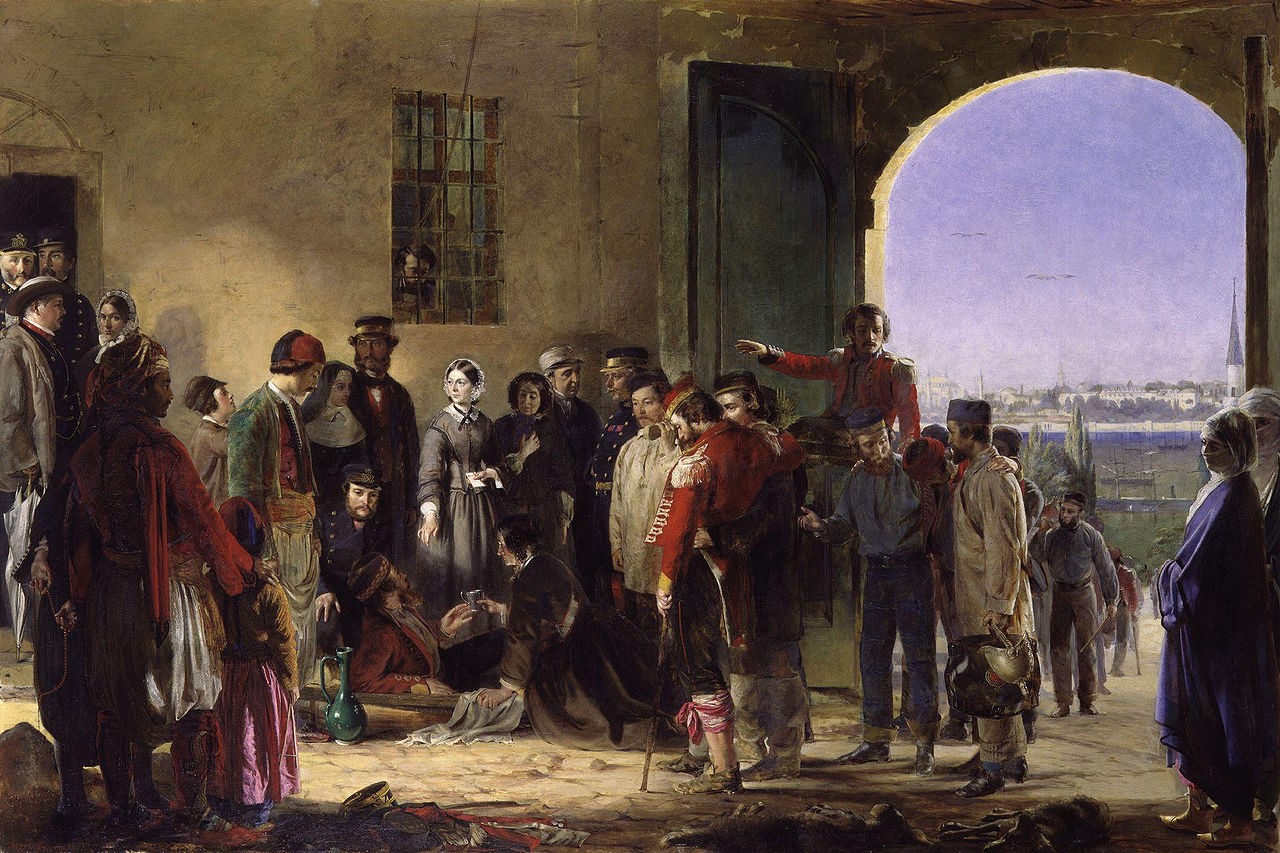
 In Canada indigenous women and girls are targeted for violence more than any other group. More than 4000 indigenous women and girls have gone missing or been