Ministry to Individuals, Groups, Families

The Family Life Bureau, established in the Archdiocese of St. John’s in 1976, offers counseling in a whole range of areas including individual, marriage, and family counseling. Clients of the staff of the Bureau are either self-referred, referred from the courts, from physicians, various community agencies, and from priests throughout the Archdiocese.

Discovering and using your strengths to deal with personal and family life issues . . . Support to see you through . . .

Pastoral counseling is healing the mind, spirit, and relationships through the wisdom of behavioural sciences and spiritual values.

The goal of the Family Life Bureau is to foster positive changes in the lives of persons. Every person has within him/her the energy for growth. Troubled people seek out help when external circumstances lead to distressing separation from others, internal conflicts that cause pain and inner division, and when the life force within them is blocked from healing and growth.

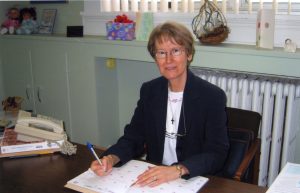
Sister Loretta Walsh, rsm, Executive Director of the Family Life Bureau, is a facilitator and counselor. She and two other certified counselors provide individual, couple, group and family counseling. They also organize and facilitate workshops and marriage preparation seminars. The workshops deal with issues related to family life, parenting, interpersonal relationships, separation and divorce, personal growth, youth, dealing with drugs, assertiveness and self-esteem.

One interesting program brings married couples together for a candlelight dessert and facilitated conversation about their relationship. This marriage enrichment component is facilitated collaboration with the West End Baptist Church and some Anglican parishes in St. John’s.


Mercy Ministry in Ontario

SoulWinds is a small piece of land – about three acres –  located on the Little Kennisis River in the Algonquin Highlands of Haliburton County in  Ontario’s near north in Canada.

SoulWinds is the home of Brenda Peddigrew, RSM, Ph.D. and Joan Weir, N.D., who tend the land in all its seasons and offer consultations, teaching and guidance in their respective fields and in many ways to be in nature’s presence.

Joint courses are offered on the SoulWinds property, though other accomodations are used for personal guided retreats with Brenda, and other consultations.

Visit their website to learn more about this Mercy ministry

Ministry in Africa

In 2007 two Sisters of Mercy from Newfoundland took a bold and courageous step to join Sisters of Mercy from Ireland in their ministries in Africa.

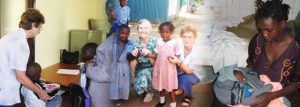
One sister cared for people in Kenya, men, women and children, suffering from HIV and AIDS. She served as a unit coordinator in an AIDS center for the poor. During 2007 a second Sister ministered among others suffering from HIV/AIDS in Zambia. These two Newfoundland sisters were the first to have taken on the adventure and challenge of ministering on the African continent.

Outreach to the Poor

From its foundation the Mercy Congregation has had a special ministry to the poor. Care for the poor and oppressed was especially dear to Catherine McAuley’s heart and the driving force behind her decision to found a religious order. “Service of the poor, the sick and the ignorant” is considered to be a fourth vow of the Sisters of Mercy.

Immediately on their arrival in St. John’s the three founding members of the Newfoundland mission, Sisters Ursula Frayne, Rose Lynch and Francis Creedon, began the visitation of the poor and the sick in their homes.

Over the years even though many of the sisters have been fully occupied in their teaching and nursing ministries they found time to visit individuals and families in need. In addition to the more “informal visitation,” ministry to the poor has taken on a more structured format in facilities like the Gathering Place, Food Banks, Prisons, Women’s Centres, Breakfast or Lunch Programs, Family Care Centres.

Whether formally organized or not, care and attentiveness for the poor has been part of our Mercy culture: a poor child in the school, a poor patient in the hospital or nursing home, poor families in the neighbourhood, or a poor person begging food at the door. Love and care for the poor and a congregational option for the poor is the challenge and the blessing of the Gospel and of our Mercy charism.

Desde su fundación, la Congregación de la Misericordia ha tenido un ministerio especial para con los pobres. El cuidado de los pobres y oprimidos era especialmente querido en el corazón de Catalina McAuley y la fuerza impulsora de su decisión de fundar una orden religiosa. El “servicio a los pobres, los enfermos y los ignorantes” se considera el cuarto voto de las Hermanas de la Misericordia.

Inmediatamente después de su llegada a San Juan, los tres miembros fundadores de la misión de Terranova, las hermanas Úrsula Frayne, Rose Lynch y Francis Creedon, comenzaron a visitar a los pobres y enfermos en sus casas.

A lo largo de los años, aunque muchas de las hermanas han estado plenamente ocupadas en sus ministerios de enseñanza y enfermería, han encontrado tiempo para visitar a personas y familias necesitadas. Además de las “visitas informales”, el ministerio con los pobres ha adoptado un formato más estructurado en lugares como el Gathering Place, los bancos de alimentos, las prisiones, los centros de mujeres, los programas de desayuno o comida y los centros de atención familiar.

Organizado formalmente o no, el cuidado y la atención a los pobres ha formado parte de nuestra cultura de la Misericordia: un niño pobre en la escuela, un paciente pobre en el hospital o en la residencia de ancianos, familias pobres en el barrio, o un pobre pidiendo comida en la puerta. El amor y la atención a los pobres y una opción congregacional por los pobres es el reto y la bendición del Evangelio y de nuestro carisma de la Misericordia.

Open Access Online to Laudato Si’ Integral Ecology Collection

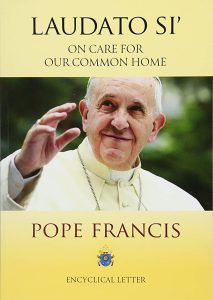
In Laudato Si’, Pope Francis emphasised the importance of a united, global response to the current ecological crisis. Yet dialogue and learning on integral ecology is often hindered by limited access to the academic publications on the subject, which are not affordable for many individuals and institutions in lower-income countries.

The Laudato Si’ Integral Ecology collection,  of the Laudato Si’ Research Institute at the University of Oxford, seeks to address this problem by making open access a selection of key texts on integral ecology. The collection will provide a valuable resource for lay readers, students, and those undertaking more advanced academic study. Publications in the collection could also be read as part of a reading group, or an online course.

Access the Collection here

Synod – October 23 Session

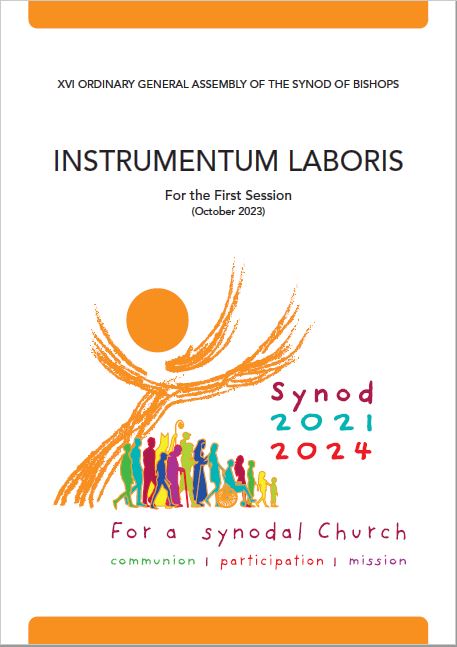
On June 20 the Vatican released Instrumentum Laboris, a working document in preparation for the General Assembly of the Synod of Bishops being held in October.

This document has two parts. Part One summarizes the insights gained from the listening sessions of the diocesan, national and continental levels, and outlines what a synodal church is and how it should proceed.

Part Two is comprised of a series of fifteen worksheets intended to guide the small group discussions at the assembly.  The text outlines a “synodal method” of spirituality focused on listening to the Spirit and discerning the “signs of the times.” Among the topics for discussion are women deacons, priestly celibacy and LGBTQ outreach, which surfaced as priorities during the listening sessions.

Present at the October session will be delegates representing bishops, priests, religious and lay people from around the world. These delegates are not yet named. Although this session is an assembly of the Synod of Bishops, 21% of the voting delegates will not be bishops. 70 delegates will be chosen directly by Pope Francis from a list of 140 people selected by the leadership of this year’s continental assemblies.

Pope Francis recently announced that an ecumenical prayer service to entrust the work of the October session of the Synod to God will take place in St. Peter’s Square on September 30.  The pope has also invited Father Timothy Radcliffe, former head of the Dominican Order to lead a three-day retreat for all participants at the beginning of the October session.

Download the F.A.Q. and Executive Summary of Instrumentum Laboris here

Download the Booklet PDF here
or
Download the Desktop PDF here
or
Download the Word file here


El 20 de junio, el Vaticano publicó Instrumentum Laboris, un documento de trabajo para preparar la Asamblea General del Sínodo de los Obispos que se celebrará en octubre.
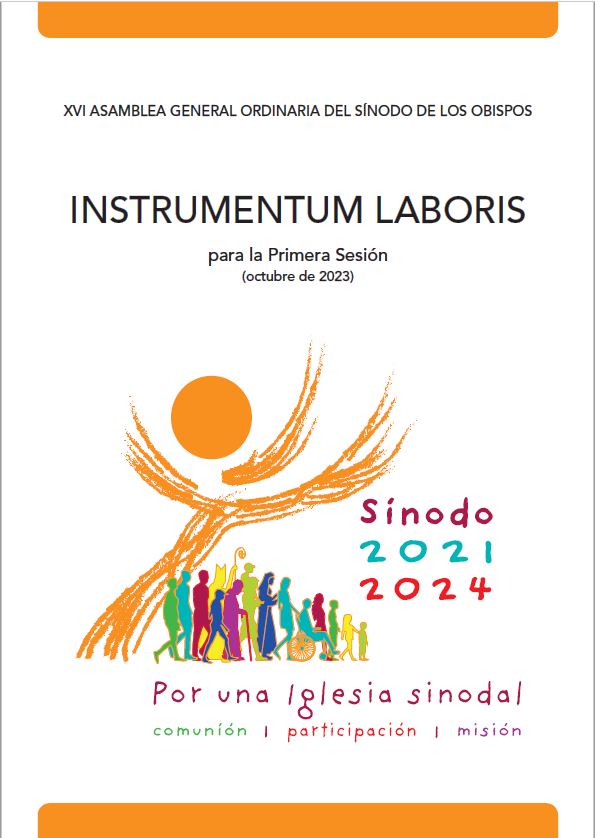
Este documento consta de dos partes. La primera parte resume las conclusiones de las sesiones de escucha a nivel diocesano, nacional y continental, y esboza qué es una Iglesia sinodal y cómo debe proceder.

La segunda parte consta de una serie de quince hojas de trabajo destinadas a orientar los debates en pequeños grupos durante la asamblea. El texto esboza un “método sinodal” de espiritualidad centrado en la escucha del Espíritu y el discernimiento de los “signos de los tiempos”. Entre los temas de debate figuran las mujeres diáconos, el celibato sacerdotal y el acercamiento al colectivo LGBTQ, que surgieron como prioridades durante las sesiones de escucha.

En la sesión de octubre estarán presentes delegados que representan a obispos, sacerdotes, religiosos y laicos de todo el mundo. Estos delegados aún no han sido nombrados. Aunque esta sesión es una asamblea del Sínodo de los Obispos, el 21% de los delegados con derecho a voto no serán obispos. 70 delegados serán elegidos directamente por el Papa Francisco de una lista de 140 personas seleccionadas por la dirección de las asambleas continentales de este año.

El Papa Francisco anunció recientemente que el 30 de septiembre tendrá lugar en la Plaza de San Pedro un servicio ecuménico de oración para encomendar a Dios los trabajos de la sesión de octubre del Sínodo. El Papa también ha invitado al padre Timothy Radcliffe, antiguo jefe de la Orden Dominicana, a dirigir un retiro de tres días para todos los participantes al comienzo de la sesión de octubre.

Descargue las preguntas frecuentes y el resumen del Instrumentum Laboris aquí

Descargue el folleto en PDF aquí
o
Descargar el PDF de escritorio aquí
o
Descargue el archivo Word aquí

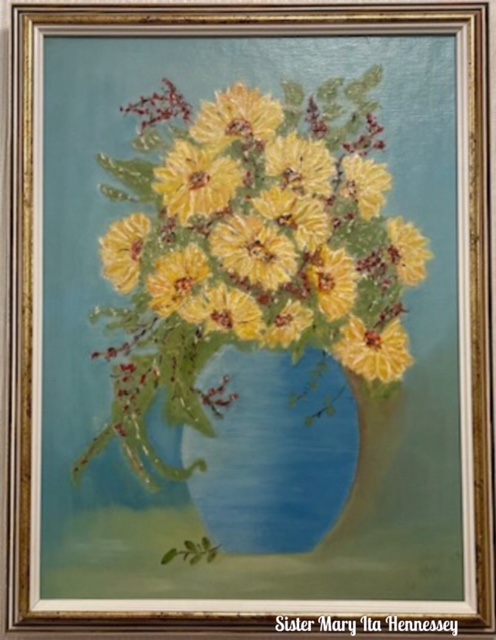
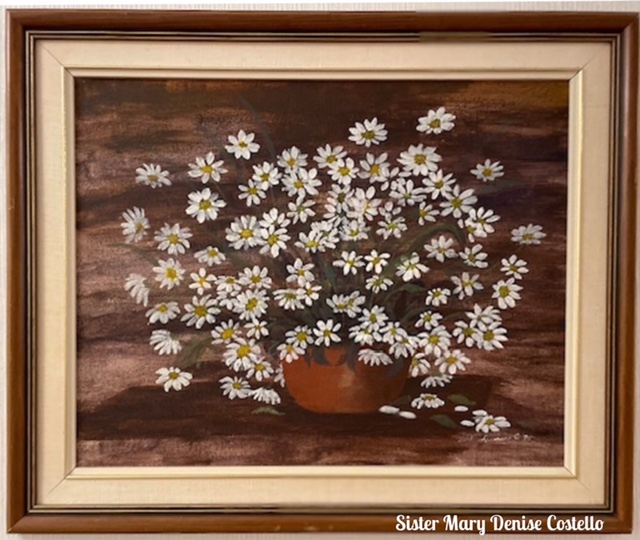
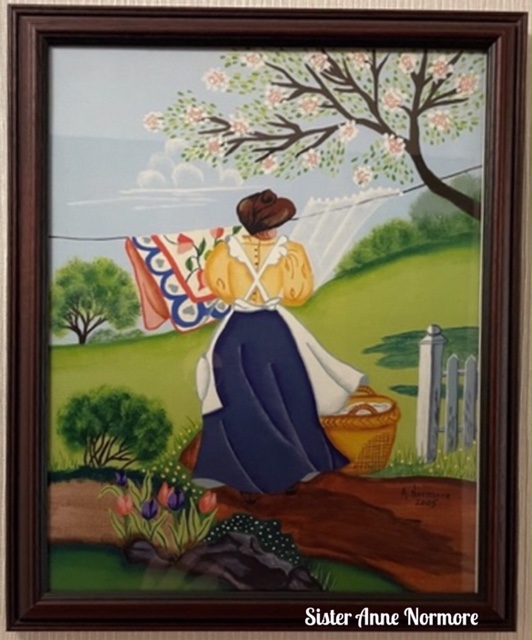
Sisters’ Art at the Residence at Littledale

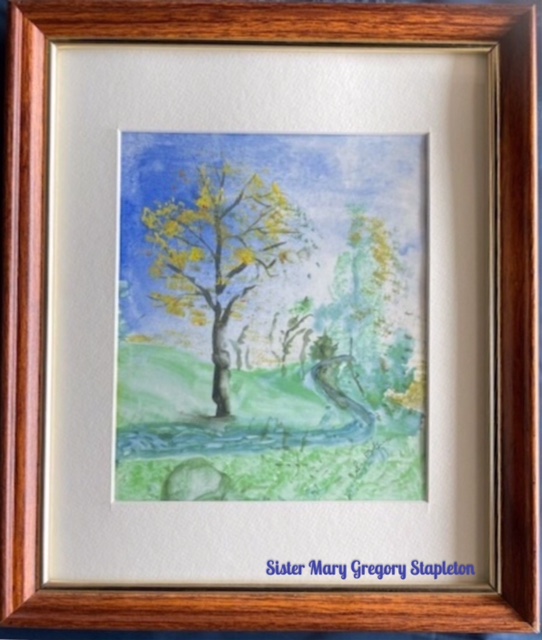
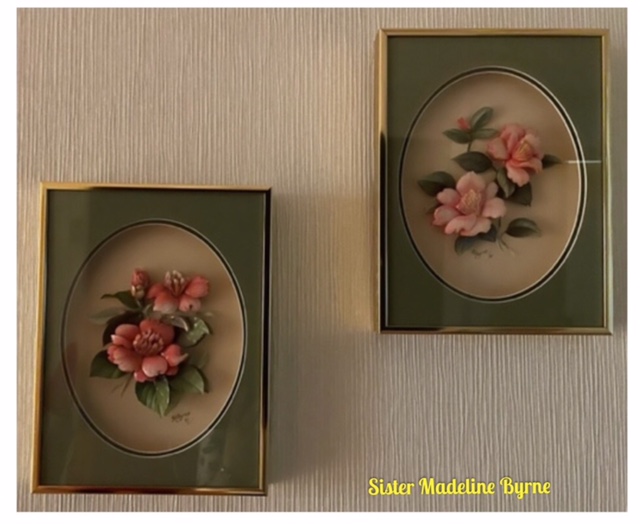
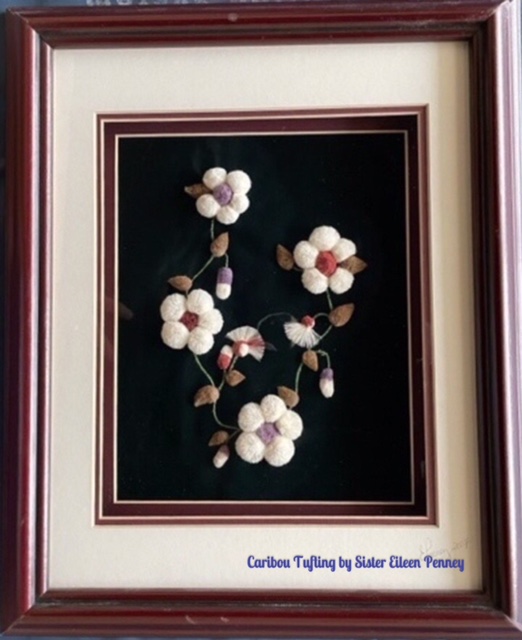
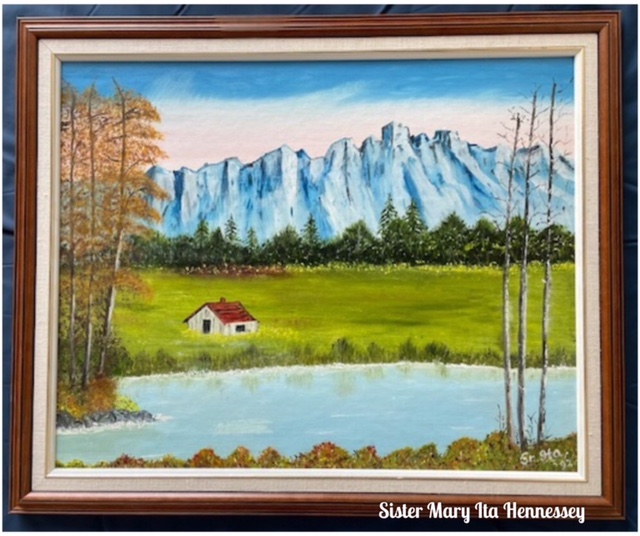
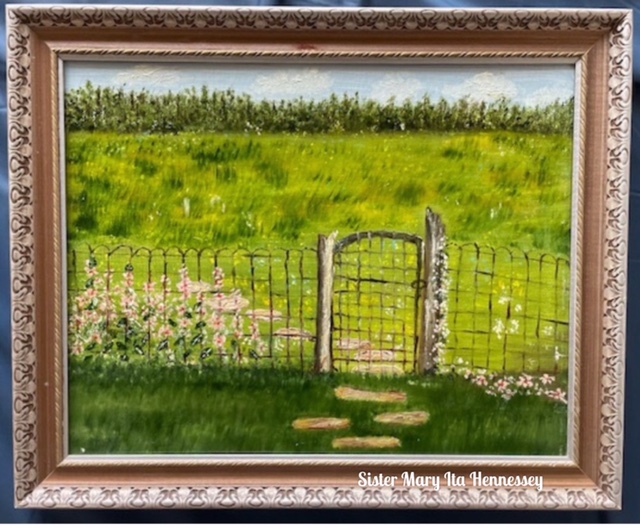
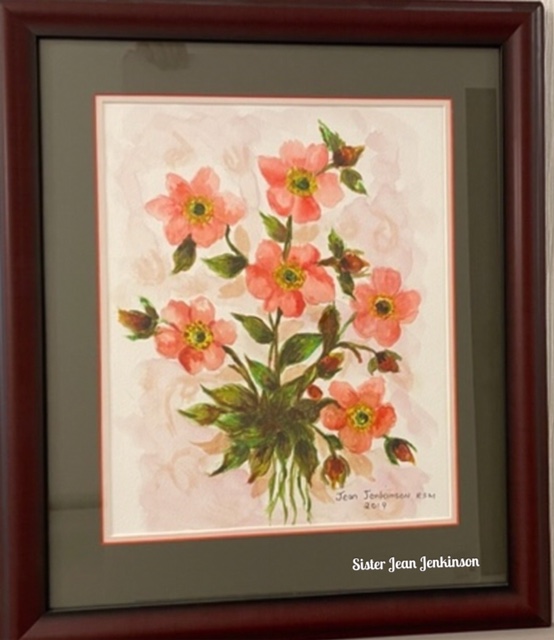
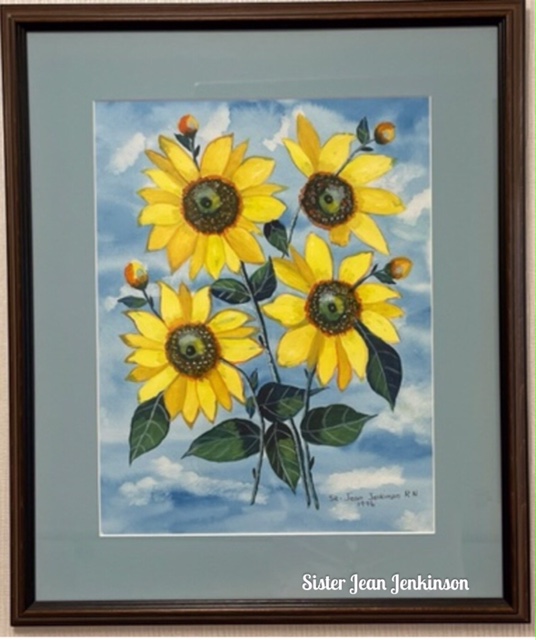
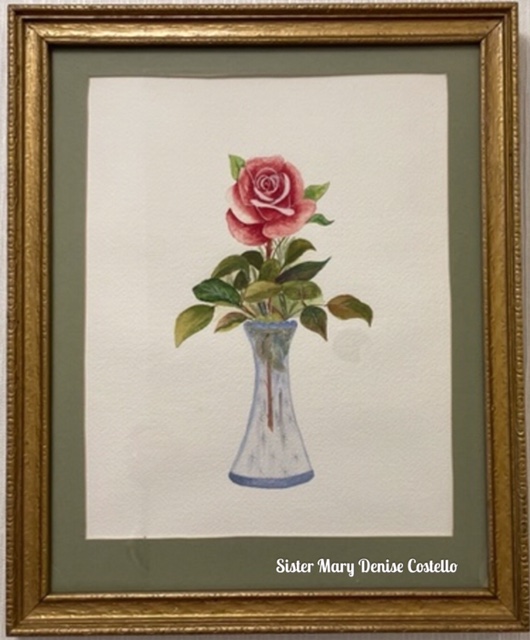
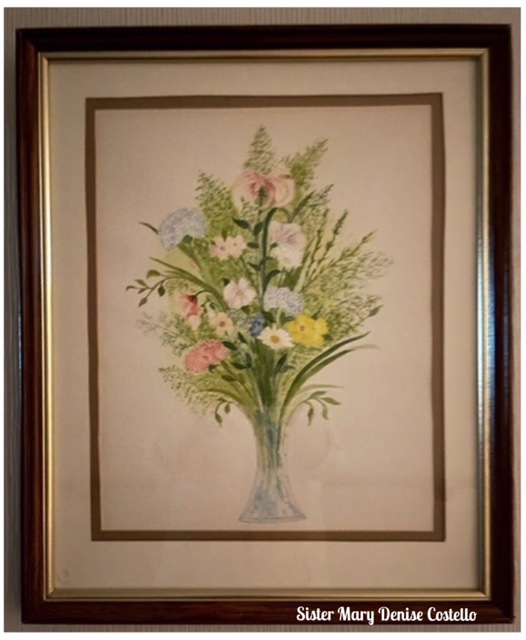
These artworks by the Sisters can be found hanging on the corridors of the Residence at Littledale. Enjoy browsing this online gallery and spending time with your favourite landscape, floral arrangement, or scene.

Estas obras de arte de las Hermanas se encuentran colgadas en los pasillos de la Residencia de Littledale. Disfrute navegando por esta galería en línea y pase un rato con su paisaje, arreglo floral o escena favoritos.

Watercolour
Quilling
Caribou tufting

Prayer Intention: Search for the Missing Titanic Submersible

God you are our refuge and our strength, an ever present help in time of trouble (Ps 46.1)

Join us in prayer for the safety and security of the five people on the OceanGate expedition to the Titanic who set out from St John’s on Sunday morning on the adventure of a lifetime.

Pray for  strength for their families and friends, their local communities and networks,  all of whom are enormously affected by the disappearance of their loved ones undersea.

Pray for those involved in the massive search and rescue operation who are doing everything they can to bring those on board safely home.

Post your prayer in our sacred space


Dios, tú eres nuestro refugio y nuestra fortaleza, una ayuda siempre presente en tiempos de angustia (Sal 46.1)

Únase a nosotros en la oración por la seguridad de las cinco personas de la expedición OceanGate al Titanic que partieron de St John’s el domingo por la mañana en la aventura de su vida.

Oremos por la fortaleza de sus familias y amigos, sus comunidades locales y redes, todos ellos enormemente afectados por la desaparición de sus seres queridos bajo el mar.

Rezad por los participantes en la operación de búsqueda y rescate, que están haciendo todo lo posible para que los que están a bordo regresen sanos y salvos a casa.

Publica tu oración en nuestro espacio sagrado

Art at McAuley Convent

Sister Madeline Byrne has been contributing to the artistic atmosphere at McAuley Convent for the past few years. Every Thursday afternoon she guides and encourages some of the senior sisters to produce painting, cards and other creative works.

Madeline describes herself as “a budding Artist”, despite the fact that many of her beautiful paintings may be found in our convents and residences or on the walls in people’s homes!

Some of the Sisters at McAuley expressed an interest in painting.  So, every week they take out their brushes and get to work.  While there are no “Monets or Picassos” they all enjoy the time together. When a piece is finished they marvel at what they are able to produce.  All are delighted to have their work published by displaying it on a special wall in the Convent.  There have even been in-house sales of their cards!

Sor Madeline Byrne ha contribuido al ambiente artístico del convento de McAuley durante los últimos años. Todos los jueves por la tarde guía y anima a algunas de las hermanas mayores a realizar pinturas, tarjetas y otros trabajos creativos.

Madeline se describe a sí misma como “una artista en ciernes”, a pesar de que muchos de sus hermosos cuadros se pueden encontrar en nuestros conventos y residencias o en las paredes de las casas de la gente.

Algunas de las Hermanas de McAuley expresaron su interés por la pintura. Así que cada semana sacan sus pinceles y se ponen manos a la obra. Aunque no hay “Monets o Picassos”, todas disfrutan del tiempo que pasan juntas. Cuando terminan una obra, se maravillan de lo que son capaces de hacer. Todos están encantados de que se publiquen sus obras, que exponen en una pared especial del convento. Incluso se han vendido internamente sus tarjetas.

McAuley Convent

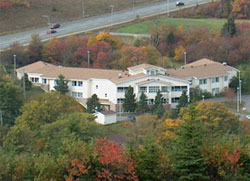
McAuley Convent was opened in 1991 to provide a residence and center of care of the sick and infirm members of our congregation.

This modern and tastefully decorated building is built into the hillside of the Littledale property in the Waterford River valley in the west end of St. John’s. Every floor of the three-storey building has a ground level entrance. The center courtyard, which can be viewed from every room on the back of the building and which can be entered from the community room, is lavishly landscaped with flowers, shrubs and trees. Sisters can safely walk around the garden or sit in the swing chairs or other chairs that are provided. A statue of Mary stands at the centre of the garden and the Stations of the Cross are located on one side of the garden.

There are three other smaller community rooms for different groups of sisters, including one for the sisters who are part of the staff at McAuley Convent. In addition to this there are two large dining rooms, individual bedrooms, a physio-therapy room and a few multi-use rooms for arts and crafts, games, meetings or solitude. A very large kitchen, storage and laundry take up the lowest floor of the building. The crown of the building is the beautiful chapel with a wall of windows that look out to the Southside Hills of the Waterford Valley. The Sisters are blessed to have mass celebrated every morning and those who cannot go to the chapel may hear the celebration in their bedrooms.

Besides being the residence for sisters who need care in their old age, McAuley is a place of recuperation for sisters who have surgery or injury that requires more care than is available in their own convent. Our sisters are given the best of care and receive wonderful attentiveness from the many lay staff and sisters. Some have lived to see 100 years or more. When a sister is dying the sisters who are able, keep day and night vigil. Sisters are prayed into God’s kingdom at the end of their lives.

McAuley Convent is a place of care, safety and nurturing; it is a place of faith, joy, freedom and celebration. It is a powerhouse of prayer for the many needs of individuals and for our world.

McAuley Convent closed in October, 2020 when the sisters needing care moved to the Residence at Littledale, a new facility owed and operated by a local businessman Fred Cahill, on the Littledale Property where we are renting the entire third floor.

El Convento McAuley se inauguró en 1991 para proporcionar una residencia y un centro de atención a los miembros enfermos y desvalidos de nuestra congregación.

Este edificio moderno y decorado con gusto está construido en la ladera de la propiedad de Littledale, en el valle del río Waterford, en el extremo oeste de St. Cada planta del edificio de tres pisos tiene una entrada a nivel del suelo. El patio central, que puede verse desde todas las habitaciones de la parte trasera del edificio y al que se accede desde la sala comunitaria, está profusamente ajardinado con flores, arbustos y árboles. Las hermanas pueden pasear sin peligro por el jardín o sentarse en los columpios u otras sillas que se proporcionan. Una estatua de María se alza en el centro del jardín y el Vía Crucis está situado en uno de sus lados.

Hay otras tres salas comunitarias más pequeñas para diferentes grupos de hermanas, incluida una para las hermanas que forman parte del personal del convento de McAuley. Además, hay dos grandes comedores, dormitorios individuales, una sala de fisioterapia y algunas salas multiusos para manualidades, juegos, reuniones o soledad. Una cocina muy grande, el almacén y la lavandería ocupan la planta más baja del edificio. La corona del edificio es la hermosa capilla con una pared de ventanas que dan a las colinas del sur del valle de Waterford. Las hermanas tienen la suerte de que se celebre misa todas las mañanas y las que no pueden ir a la capilla pueden oír la celebración en sus habitaciones.

Además de ser la residencia de las hermanas que necesitan cuidados en su vejez, McAuley es un lugar de recuperación para las hermanas que han sufrido una intervención quirúrgica o una lesión que requiere más cuidados de los que pueden recibir en su propio convento. Nuestras hermanas reciben los mejores cuidados y una atención maravillosa por parte del numeroso personal laico y de las hermanas. Algunas han vivido 100 años o más. Cuando una hermana se está muriendo, las hermanas que pueden velan día y noche. Al final de sus vidas, se reza por las hermanas para que entren en el reino de Dios.

El convento de McAuley es un lugar de cuidado, seguridad y crianza; es un lugar de fe, alegría, libertad y celebración. Es un centro de oración por las muchas necesidades de las personas y de nuestro mundo.

El Convento McAuley cerró en octubre de 2020, cuando las hermanas que necesitaban cuidados se trasladaron a la Residencia de Littledale, una nueva instalación propiedad de Fred Cahill, un empresario local, que la gestiona, en la propiedad Littledale donde estamos alquilando todo el tercer piso.