

Marking 138 years of the presence of the Sisters of Mercy in the area from 1871 – 2009
 The Congregation of the Sisters of Mercy had received word from Mary (Tarrant) Hodge early in August that the people of St. Lawrence, little St. Lawrence, Lawn and surrounding areas wanted to have a celebration to recognize the ministry of the Sisters of Mercy in those areas and to officially thank them. Three Sisters, Sister M. Rose Murphy, M. Xavier Tarahan, and M. Stanislaus Taylor, had arrived in St. Lawrence in 1871 and the last Sister to minister there was Sr. Lucia Walsh who left in 2009. Would the Sisters who had ministered, or who had come from there be able to attend the festivities planned on the weekend of October 20th and 21st, 2012, asked Mary? She insisted that the Congregational Leader HAD to be there! The Planning Committee would not entertain her absence but were willing to change the date of the event to suit her agenda. Elizabeth Davis was free to go on the 20th and 21st.
We heard little tidbits of information in the ensuing weeks: Father Cecil Critch would be doing ALL the cooking, there would be entertainment, and there would be surprises worth waiting for. The official invitation arrived and we began looking forward with great anticipation to this fabulous weekend. We hoped the weather would cooperate for the drive to the Burin peninsula.
 Saturday, October 20th was the most beautiful day, weather-wise, that we had had all year! Sisters from St. John’s left very early in the morning when traffic was light and the moose had not yet ventured out from their night’s haunts. The sun shone its mightiest, the sky was cloudless, the environment was ecologically correct and when we drove off the Trans-Canada and travelled down the Peninsula highway the splendor of the gold, yellows, browns and sometimes reds of the autumn leaves was absolutely breathtaking. Those of us with digital cameras were kept busy trying to capture the beauty before us. This was particularly difficult especially if our driver had no intention of letting us out of the car to shoot the scenery!
We had been told to proceed to the Golden Age Club upon our arrival: the majority of us fitted into the category of Golden Age so it was most appropriate that this be our first rendezvous. The rails on either side of the ramp going into the building were festooned with blue and gold balloons and a large Welcome poster was above the entrance. A white-apronned lady was at the door ringing an old school bell to welcome us in! The greetings began inside in profusion as many of the ladies there had been our students…
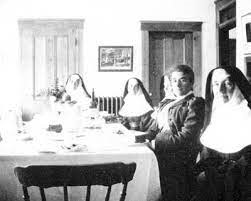 Upon arrival at Sandy Point, the sisters received an enthusiastic welcome from the people of Sandy point. The Evening Telegram of August 12, 1893 reported as follows:
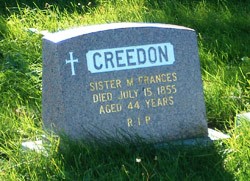 She died at the age of 44, having been professed as a Sister of Mercy for fourteen years. A woman of great fortitude, zeal for mission and commitment to the ideals of Mercy instilled in her by Catherine McAuley, Francis gave her all to the Newfoundland mission.
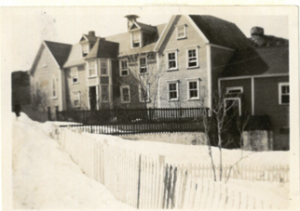 Persistent efforts by Burin’s zealous pastor, Father Michael Berney, for whom the education of the children of his parish was of prime importance, finally convinced Mother Xavier Bernard to make a positive response to his entreaties. St. Anne’s Convent (pictured at right) opened on July 12, 1863. The founding sisters were: Irish-born Sister M. Liguori Carmody; Sister M. Xavier Tarrahan, a Newfoundlander; Sister M. Charles McKenna, also Irish; Mary McAuliffe, a postulant.
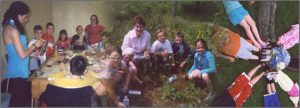 Sr. Mary Tee is Director of the Mercy Centre for Ecology and Justice located in St. John’s, Newfoundland.
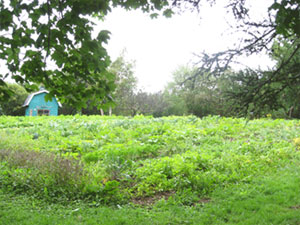 The centre works to engage the sisters, associates and others, especially youth, in its many projects and activities. The centre serves as facilitator, advocate, educator and prophet in the many aspects of ecology and justice.
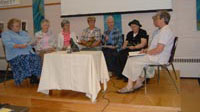 The Assembly was the culmination of our charism journey over the past year wherein we as individuals, communities and/or circles entered into a theological reflection process to explore and deepen our sense of the Mercy charism.
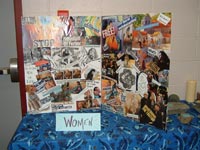 Each area opened with three voices speaking to the issue – the voice of Scripture, the voice of Catherine McAuley and the voice of contemporary experience – and following a time of quiet reflection and dialogue in small and large groups, we attempted to discern what these voices were saying to us as a Congregation and what is the new place to which we are being called.
 To assist us in our exploration we were very fortunate to have had with us Sister Mary Sullivan, RSM of Rochester, New York, who was the voice of Catherine; and Sister Carmelita Murphy, OP as facilitator for the whole assembly. Prior to the assembly, we were privileged to have Sister Mary Sullivan share with us, our Associates, friends and family members on the life and spirit of Catherine.
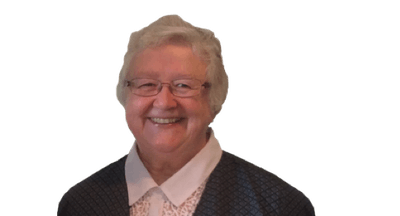 In its designation, the College noted that the award “honours distinguished physicians, surgeons and others for outstanding performance in a particular vocation or a specific area of professional activity. The 2008 recipients are exceptional individuals whose contributions through their commitment to human rights, leadership and collaboration at all levels of society are exemplary”. Sister Elizabeth received the award in recognition of her leadership in health services and health education.
 The Gathering Place is housed in the former Mercy Convent School, located in the heart of St. John’s. It is a registered charity governed by a Board of Directors with members from the Leadership Teams of the two congregations and from the community at large. The programs and services are offered through a
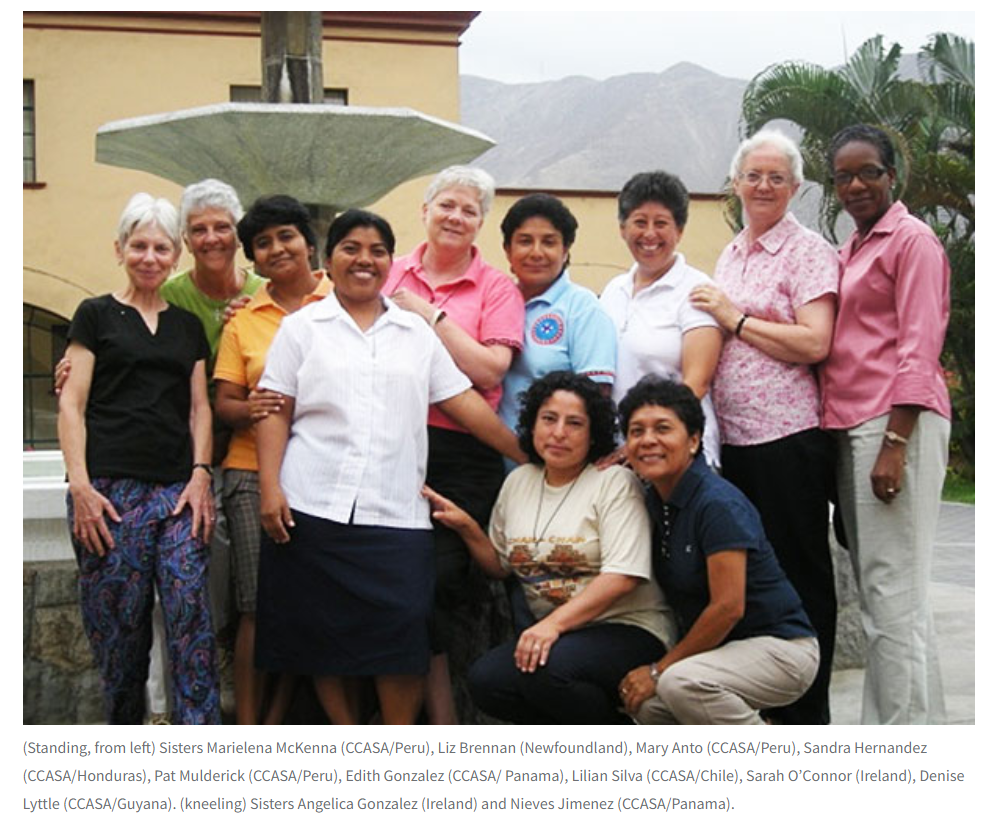 Beginning with Catherine McAuley’s Suscipe as a means of enkindling and sustaining their own gift of self to God and others, they moved to “Centered in Mercy” and the process of formation. Their topics included the use of autobiography in discernment, indicators of human maturity across cultures, accompaniment in initial formation and developmental growth plans that build on the strengths of women discerning a life in Mercy. “I recognized once again,” observed Sister Mary Anto (CCASA/Peru), “that it is my own growth and development that helps me help others.” Sister Liz Brennan (Newfoundland) said, “Our days together reaffirmed my commitment to this ministry and opened new ways of understanding the formative process.”