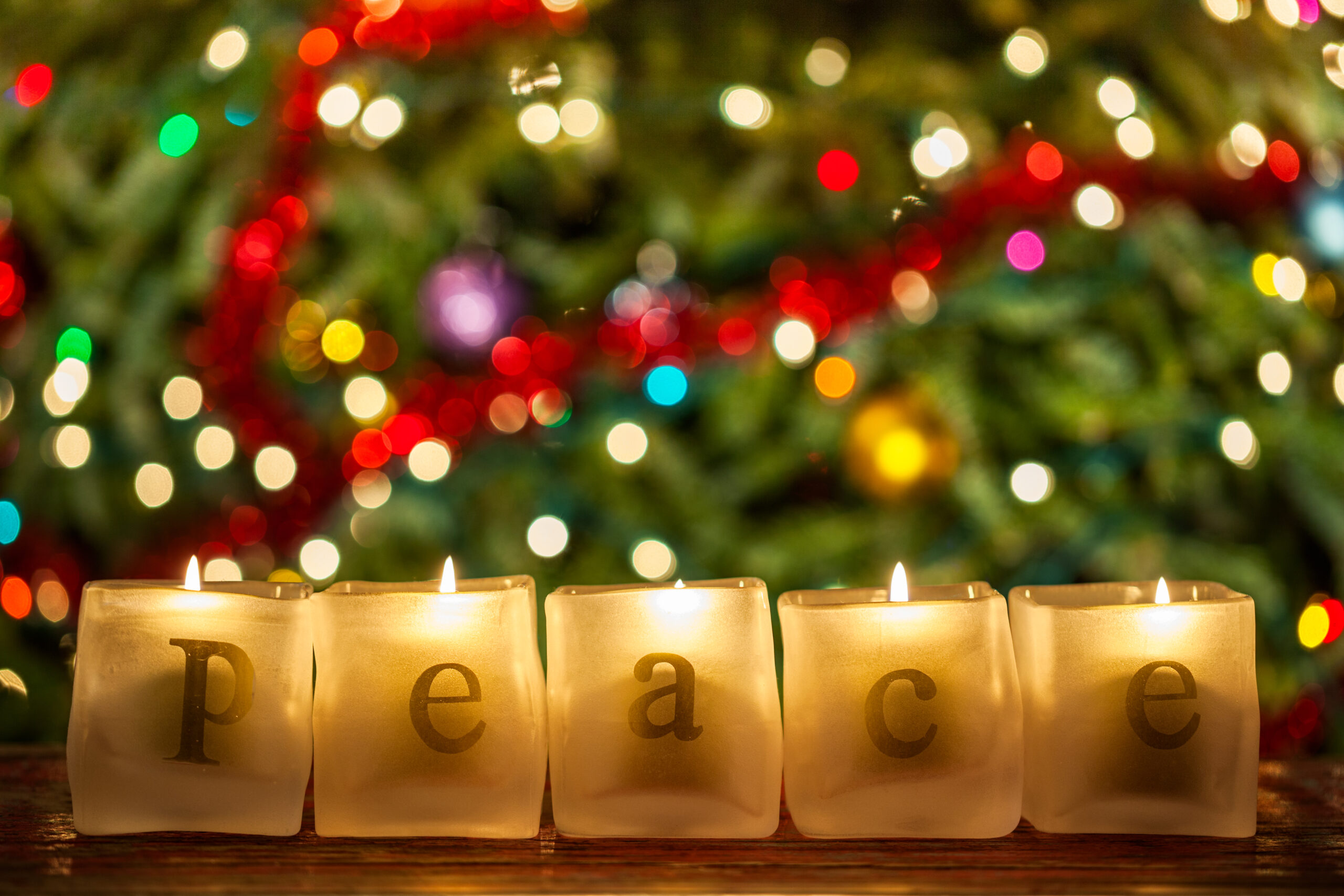
Prayers for peace
The Pope prayed for “justice, peace, and stability for Lebanon, Palestine, Israel, and Syria,” and urged that the promise of peace rooted in righteousness be renewed. He appealed in a particular way for Ukraine, asking that “the clamor of weapons cease,” and that all those involved, with the support of the international community, find the courage to engage in “sincere, direct, and respectful dialogue.”
Remembering conflicts that risk being forgotten, Pope Leo XIV expressed closeness to the victims of war and violence in Sudan, South Sudan, Mali, Burkina Faso, and the Democratic Republic of Congo, as well as to all those who suffer as a result of injustice, political instability, religious persecution, and terrorism.
The Pope also prayed for Haiti, calling for an end to violence and progress along the path of peace and reconciliation. He also invoked peace for Myanmar, asking that the country be guided towards reconciliation and hope, especially for its younger generations. Turning to Latin America, he encouraged those with political responsibilities to give space to dialogue for the common good, rather than to ideological and partisan divisions.
The Pope also prayed for the restoration of the “ancient friendship” between Thailand and Cambodia, and entrusted to God the peoples of South Asia and Oceania, who have been severely affected by recent natural disasters, calling for renewed commitment to assisting those who suffer….
- Read the complete address here
- Post your prayer for peace in our sacred space here
En su discurso Urbi et Orbi de Navidad, el papa León XIV renueva su llamamiento al diálogo por la paz y a la responsabilidad, dirigiéndose a aquellas regiones donde la violencia y la inestabilidad siguen cobrándose vidas inocentes, y recordando al mundo que la paz es tanto un don de Dios como una responsabilidad compartida por la humanidad.
Oraciones por la paz
El Papa rezó por «la justicia, la paz y la estabilidad para Líbano, Palestina, Israel y Siria», e instó a que se renovara la promesa de paz basada en la justicia. Hizo un llamamiento especial por Ucrania, pidiendo que «cese el estruendo de las armas» y que todas las partes implicadas, con el apoyo de la comunidad internacional, encuentren el valor para entablar un «diálogo sincero, directo y respetuoso».
Recordando los conflictos que corren el riesgo de caer en el olvido, el papa León XIV expresó su cercanía a las víctimas de la guerra y la violencia en Sudán, Sudán del Sur, Malí, Burkina Faso y la República Democrática del Congo, así como a todos aquellos que sufren como consecuencia de la injusticia, la inestabilidad política, la persecución religiosa y el terrorismo.
El Papa también rezó por Haití, pidiendo el fin de la violencia y el avance por el camino de la paz y la reconciliación. También invocó la paz para Myanmar, pidiendo que el país sea guiado hacia la reconciliación y la esperanza, especialmente para sus generaciones más jóvenes. En cuanto a América Latina, animó a los responsables políticos a dar espacio al diálogo por el bien común, en lugar de a las divisiones ideológicas y partidistas.
El Papa también rezó por el restablecimiento de la «antigua amistad» entre Tailandia y Camboya, y encomendó a Dios a los pueblos del sur de Asia y Oceanía, que se han visto gravemente afectados por las recientes catástrofes naturales, pidiendo un compromiso renovado para ayudar a quienes sufren…
- Lea el discurso completo aquí
- Publique su oración por la paz en nuestro espacio sagrado aquí




 to the sick and ailing among us.
 Cancer is more than just a medical diagnosis – it’s a deeply personal matter. Behind every diagnosis lies a unique human story – stories of grief, pain, healing, resilience, love and more. That’s why a people-centred approach to cancer care that fully integrates each individual’s unique needs, with compassion and empathy, leads to the best health outcomes.
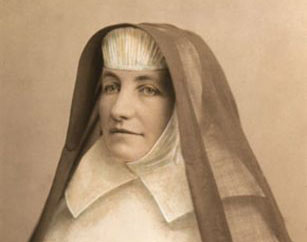 In 1917 on the death of Sister M. Joseph Kelly, who had been a member of the first General Council of the new congregation of the Sisters of Mercy of Newfoundland, Sister M. Antonio replaced her on the Council.