As we remember the women who were killed in that horrific act of violence, we are also reminded that violence is a daily reality for many girls, women and gender diverse people in Canada and all over the world.
This day is a reminder of the danger inherent in the power imbalance between men and women in Canada and worldwide. It is also a time to reflect on what we can all do through our words and our actions to end gender-based violence and to help create a society where everyone can feel safe, respected and welcomed.
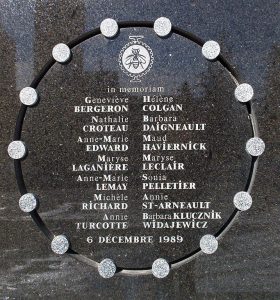
El 6 de diciembre de cada año, Canadá celebra este día, aniversario de la masacre de la Escuela Politécnica de Montreal en 1989.
Placa conmemorativa de las víctimas de la masacre
Al recordar a las mujeres que murieron en aquel horrible acto de violencia, también se nos recuerda que la violencia es una realidad cotidiana para muchas niñas, mujeres y personas con diversidad de género en Canadá y en todo el mundo.
Este día es un recordatorio del peligro inherente al desequilibrio de poder entre hombres y mujeres en Canadá y en todo el mundo. También es el momento de reflexionar sobre lo que todos podemos hacer con nuestras palabras y nuestros actos para poner fin a la violencia de género y contribuir a crear una sociedad en la que todos puedan sentirse seguros, respetados y acogidos.
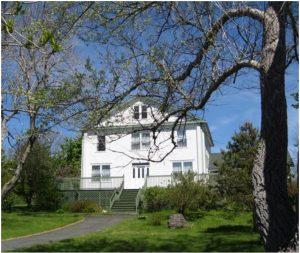
December 3, 2022 marks the 100th anniversary of the foundation of St. Joseph’s Convent.
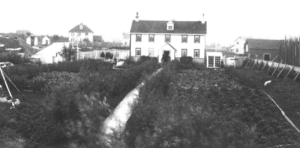
An early photo of St Joseph’s Convent
Sisters of Mercy however, had been ministering in the area around Signal Hill, St. John’s, as early as 1863, making the daily trek from Mercy Convent on Military Road.
In an address to the people of St. Joseph’s Parish, reported in the September 10, 1918 issue of The Daily News, Archbishop Roche recalled the long history of the Sisters of Mercy in the area:
The people of St. Joseph’s have obligations of a special nature toward the Sisters of Mercy. For more than half a century, they have been, practically without interruption, teaching the children of this end of town… I hope that it may not be too much to expect that in the not- too- distant future the Sisters may have a home in this parish, so as to be near their work and to be able to do for the children what they cannot do under these conditions…
Four years later, the Archbishop’s hopes were realized when St. Joseph’s Convent (known in earlier years as Castle Rennie or Castle Lindberg) was formally blessed and opened. The Sisters who formed the first community were: Sisters M. Benedicta Fitzgibbons, M. Michael Gillis, M. Ignatius Molloy and a postulant, Margaret Kent.
One hundred years later, six Sisters call St. Joseph’s their home.
Una foto antigua del convento de San José
Sin embargo, las Hermanas de la Misericordia ya ejercían su ministerio en los alrededores de Signal Hill, St. John’s, desde 1863, haciendo el trayecto diario desde el Convento de la Misericordia en Military Road.
En un discurso a los habitantes de la parroquia de St. Joseph, publicado en el número del 10 de septiembre de 1918 de The Daily News, el arzobispo Roche recordó la larga historia de las Hermanas de la Misericordia en la zona:
La gente de St. Joseph tiene obligaciones de naturaleza especial hacia las Hermanas de la Misericordia. Durante más de medio siglo, han estado, prácticamente sin interrupción, enseñando a los niños de este extremo de la ciudad… Espero que no sea demasiado esperar que en un futuro no muy lejano las Hermanas puedan tener un hogar en esta parroquia, para estar cerca de su trabajo y poder hacer por los niños lo que ellas no pueden hacer en estas condiciones…”.
Cuatro años más tarde, las esperanzas del Arzobispo se hicieron realidad cuando el Convento de San José (conocido en los primeros años como Castillo Rennie o Castillo Lindberg) fue formalmente bendecido e inaugurado. Las Hermanas que formaron la primera comunidad fueron: Las Hermanas M. Benedicta Fitzgibbons, M. Michael Gillis, M. Ignatius Molloy y una postulante, Margaret Kent.
Cien años más tarde, seis Hermanas llaman a San José su hogar.
The 27th Annual Advent Festival of Carols and Scripture- Drawn to the Light –was held on 27 November at Basilica Cathedral of St John the Baptist, St John’s Newfoundland and Labrador.
Cop 27 delegates worked overtime last weekend to hammer out a deal regarding a “loss and damage” fund for countries that are vulnerable to the devastating impacts of global warming.
While many applauded the historic deal as a great victory, others lamented the scantiness of detail regarding which countries can access the fund, which will contribute to it and the amount being pledged. Generally however, the deal was seen as an important first step in recognizing the difference between those who caused the climate crisis and those who have suffered its disastrous effects. Regarding a phaseout of all fossil fuels, the final draft of the summit document simply repeated the language of the Glasgow COP26 and did not include any timelines. COP 27 did however urge countries that haven’t aligned their climate plan with the 1.5C goal to do so by the end of 2023.
With COP27 concluded, many religious leaders who were present at the summit are urging world leaders to translate the commitments made in Egypt into real actions that will ensure a healthy, safe and sustainable planet for all.
Los delegados de la COP 27 trabajaron horas extras el pasado fin de semana para alcanzar un acuerdo sobre un fondo de “pérdidas y daños” para los países vulnerables a los devastadores efectos del calentamiento global.
Aunque muchos aplaudieron el histórico acuerdo como una gran victoria, otros lamentaron la escasez de detalles sobre qué países pueden acceder al fondo, cuáles contribuirán a él y la cantidad prometida. En general, sin embargo, el acuerdo se consideró un primer paso importante para reconocer la diferencia entre quienes causaron la crisis climática y quienes han sufrido sus desastrosos efectos. En cuanto a la eliminación progresiva de todos los combustibles fósiles, el borrador final del documento de la cumbre se limitó a repetir el lenguaje de la COP26 de Glasgow y no incluyó ningún calendario. Sin embargo, la COP 27 instó a los países que aún no han alineado su plan climático con el objetivo de 1,5C a que lo hagan antes de finales de 2023.
Una vez concluida la COP 27, muchos líderes religiosos que estuvieron presentes en la cumbre instan a los líderes mundiales a traducir los compromisos adquiridos en Egipto en acciones reales que garanticen un planeta sano, seguro y sostenible para todos.
Statue of Catherine McAuley in the grounds of Baggot Street
12 December 1831 marks the date on which Catherine McAuley and her companions, Anna Maria Doyle and Elizabeth Harley, returned to Baggot Street from the Presentation Convent at Georges Hill, having just professed their vows as the first Sisters of Mercy. And so began the story of the Congregation of the Sisters of Mercy, brought to Newfoundland on 3 June 1842, the first foundation of the Sisters of Mercy in the New World.
Join us in celebrating this special date in the Mercy story using the prayer reflection prepared for the occasion.
El 12 de diciembre de 1831 marca la fecha en que Catalina McAuley y sus compañeras, Anna María Doyle y Elizabeth Harley, regresaron a Baggot Street desde el Convento de la Presentación en Georges Hill, tras haber profesado sus votos como las primeras Hermanas de la Misericordia. Así comenzó la historia de la Congregación de las Hermanas de la Misericordia, llevada a Terranova el 3 de junio de 1842, la primera fundación de las Hermanas de la Misericordia en el Nuevo Mundo.
Acompáñanos en la celebración de esta fecha especial en la historia de la Misericordia utilizando la reflexión de la oración preparada para la ocasión.
Elizabeth Davis rsm explores with us the meaning of the Cosmic Advent Wreath, grounded in “deep incarnation” and the way to create our own to mark the passage of the four weeks of Advent:
Week 1: Birth of the Universe
Week 2: Birth of the Solar system
Week 3: Birth of Jesus, the Christ
Week 4: My Birth into the whole Cosmic Body of the Universe
The 5th moment is centered in “All is One”, the moment that Pope Francis calls“the joy of our hope.”
Elizabeth’s presentation begins with the meaning of the Traditional Advent Wreath.
National Child Day is celebrated globally each year to highlight the rights of children and youth, to create awareness of the problems children all over the world face on a daily basis, and to ignite hope for a healthy and happy future for all children and youth.
This day commemorates two historical events that happened on November 20: the 1959 signing of the UN Declaration on the Rights of the Child and the adoption in 1989 of the Convention on the Rights of the Child. By signing on to this Convention in 1991, Canada made a commitment to ensure that all children are treated with dignity and respect and are given opportunities to reach their full potential.
This year UNICEF is calling upon patrons and supporters to share a positive message seeking equality and inclusion for every child.
El Día Nacional del Niño se celebra cada año en todo el mundo para poner de relieve los derechos de la infancia y la juventud, concienciar sobre los problemas a los que se enfrentan a diario los niños de todo el mundo y encender la esperanza en un futuro sano y feliz para todos los niños y jóvenes.
Este día conmemora dos acontecimientos históricos que tuvieron lugar el 20 de noviembre: la firma en 1959 de la Declaración de las Naciones Unidas sobre los Derechos del Niño y la adopción en 1989 de la Convención sobre los Derechos del Niño. Al firmar esta Convención en 1991, Canadá se comprometió a garantizar que todos los niños sean tratados con dignidad y respeto y tengan la oportunidad de alcanzar su pleno potencial.
Este año, UNICEF hace un llamamiento a mecenas y simpatizantes para que compartan un mensaje positivo que busque la igualdad y la inclusión de todos los niños.
The waning days of COP27 saw a first draft of a deal being worked on at the COP27 climate summit in Egypt. The draft keeps the target of limiting global warming to 1.5 degrees Celsius. However, many of the most contentious issues are still unresolved, and the summit is due to end on Friday.
For the first time in COP history, there were discussions on launching a Loss and Damage fund for countries most affected by the impacts of climatechange. However, some of these countries have pointed out that although thedraft deal mentions loss and damage, it does not include any details for launching a fund. Another unresolved issue relates to a specific plan to ratchet up targets for cutting climate-warming emissions.
COP27 officially ends on Friday, November 18, but consultation and the final draft of what has been agreed upon by the delegates will be released.
En los últimos días de la COP27 se ha presentado un primer borrador del acuerdo que se está elaborando en la cumbre del clima de Egipto. El borrador mantiene el objetivo de limitar el calentamiento global a 1,5 grados centígrados. Sin embargo, muchas de las cuestiones más polémicas siguen sin resolverse, y la cumbre finalizará el viernes.
Por primera vez en la historia de la COP, se debatió la creación de un fondo de pérdidas y daños para los países más afectados por los efectos del cambio climático. Sin embargo, algunos de estos países han señalado que, aunque el proyecto de acuerdo menciona las pérdidas y los daños, no incluye ningún detalle para la puesta en marcha de un fondo. Otra cuestión sin resolver es la relativa a un plan específico para aumentar los objetivos de reducción de las emisiones de gases de efecto invernadero.
La COP27 termina oficialmente el viernes 18 de noviembre, pero las consultas y el borrador final de lo acordado por los delegados se harán públicos.
This afternoon, November 10, 2022, after months of planning and negotiation the sale of the convent at Conception Harbour has been completed! The convent space is now the property of an Artistic group, Perchance Theatre, who were formerly based in Cupids.
Immaculate Conception Convent, 1931-Today
The group will set up their theatre on the property (purchased from the Grand Falls diocese). The convent will be used by the group to support their operations and personnel. The group is ecstatic and so grateful. We are grateful that the convent will now be a focus of arts and culture and hopefully bring new life for the communinty of Conception Harbour and surrounding area.
We pray for the group and that this venture will be successful and nurturing to the heart and spirit of many.
History of the Convent
In 1869 the first convent was built (a replica of the convent in Brigus). Three young women, Sisters Mary Michael Gertrude Moore, Mary Theresa Slattery, and Mary De Sales Meehan came from Mercy Convent in St. John’s to found the first community of Sisters of Mercy, Conception Harbour. These three young women were born in Ireland and came to Newfoundland in their late teens or early twenties to join the Congregation. In subsequent years other Irish girls and local born girls joined the Conception Harbour convent.
Immaculate Conception Convent, 1871-1930
The first convent building was replaced by a new one in 1931. Since 1869, 106 Sisters of Mercy have lived in the convent, taught in theschools in Conception Harbour, and later in Brigus, Avondale and Holyrood. Throughout the years the Sisters visited people in their homes and were engaged in various parish and community activities. As was the custom in early years (prior to the amalgamation of the Mercy Convents in 1916) a cemetery was located near the convent where five Sisters of Mercy have been buried. The headstones bear the names: Sisters M. deSales Meehan (1885), M. Gertrude Moore (1891), M. Agnes Banks (1893), M. Philomena Leamy (1893) and M. Cecilia Joy (1910), all Irish-born, except Sr. Cecilia.
L-R: Srs Geraldine, Ellen Marie, Ruth
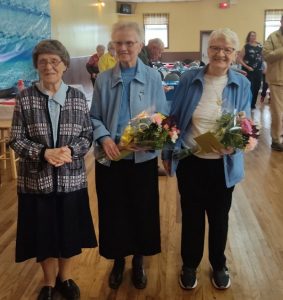
On February 2, 2022 Sisters Geraldine Mason and Ellen Marie Sullivan closed the doors of the convent marking the end of the ministry of the Sisters of Mercy in the Conception Harbour area and the end of a dedicated ministry to the people and community. On September 18 the three last sisters to reside in the convent, Sisters Geraldine, Ellen Marie and Ruth Beresford were invited by the pastor, Fr. Thomas Offong, to a Eucharistic liturgy followed by a reception to mark this ending. Other sisters and many people of the local areas joined in the celebration of gratitude and appreciation. The Mayor of Conception Harbour presented the sisters with a framed print of the local area called The Pool.
There is sadness and loss for the Sisters, for the people of Conception Harbour and the surrounding communities, for the Parish of St. Anne and the Renewal Centre in the closing of the convent after more than 150 years of life and ministry, church and community involvement. There is deep loss at the heart of the community of a presence that has been part of the lives of many men, women and children over many generations. The spirit of the Sisters of Mercy lives on in the lives of those whom the sisters have touched through education, music, drama, and spirituality and at the most sacred moments of their lives. Now new and exciting reality, based in the convent space and surrounding property, will arise in Perchance Theatre to bring new life to the community in art, music, drama and social consciousness.
About Perchance Theatre
The three-storey convent has today been purchased by an artistic group, Perchance Theatre. Under the direction of Danielle Irvine, the
Perchance Theatre, Cupids, Conception Bay
Perchance Theatre produces and presents classical theatre with a focus on well known William Shakespeare. For years Perchance has offered elaborate, artistic and dynamic performances in their outdoor stage in Cupid’s built in the style of Shakespeare’s Globe theatre. Perchance has also performed their plays or elements of their plays around the province and conducted workshops in drama and culture in various locations in the Province of Newfoundland and Labrador.
Perchance has chosen a new site for their home base on the Sisters of Mercy Convent property in Conception Harbour. People will now easily attend their new theatre centre by land and by sea – able to dock their boats at the nearby, Conception Harbour marina!
Moving Into the Future
The Sisters of Mercy formally leave Immaculate Conception Convent, Conception Harbour, with gratitude and pride in the rootedness of faith and culture of the people. We rejoice in the new life of the arts, music, drama, pathos and humor that will be brought to the stage and the community involvement of Perchance Theatre. We rejoice that this new location will be “home” to some of the most talented men, women and youth of our province and beyond. We are grateful that Perchance Theatre will enable the legacy of the Sisters of Mercy in education, in arts, social and cultural values to live on.
We pray that this new future will be a blessing for all, and especially for the community of Conception Harbour and surrounding communities. We wish Perchance Theatre and its members every blessing for growth and success in their gift to our society and culture.
Esta tarde, 10 de noviembre de 2022, tras meses de planificación y negociación, ¡se ha completado la venta del convento de Conception Harbour! El espacio del convento es ahora propiedad de un grupo artístico, Perchance Theatre, que anteriormente tenía su sede en Cupids.
El grupo instalará su teatro en la propiedad (adquirida a la diócesis de Grand Falls). El convento será utilizado por el grupo para apoyar sus operaciones y personal. El grupo está eufórico y muy agradecido. Estamos agradecidos de que el convento sea ahora un foco de arte y cultura y esperamos que traiga nueva vida a la comunidad de Conception Harbour y alrededores.
Rezamos por el grupo y para que esta empresa tenga éxito y nutra el corazón y el espíritu de muchos.
Historia del convento
En 1869 se construyó el primer convento (una réplica del convento de Brigus). Tres mujeres jóvenes, las Hermanas Mary Michael Gertrude Moore, Mary Theresa Slattery y Mary De Sales Meehan vinieron del Convento de la Misericordia en St. John’s para fundar la primera comunidad de Hermanas de la Misericordia, Conception Harbour. Estas tres jóvenes nacieron en Irlanda y llegaron a Terranova al final de la adolescencia o al principio de los veinte años para unirse a la Congregación. En los años siguientes, otras jóvenes irlandesas y nacidas en la región se unieron a las Hermanas de la Misericordia de Conception Harbour.
El primer edificio del convento fue sustituido por uno nuevo en 1931. Desde 1869, 106 Hermanas de la Misericordia han vivido en el convento, han enseñado en las escuelas de Conception Harbour, y más tarde en Brigus, Avondale y Holyrood. A lo largo de los años, las Hermanas visitaban a la gente en sus casas y participaban en diversas actividades parroquiales y comunitarias. Como era costumbre en los primeros años (antes de la fusión de los conventos de la Misericordia en 1916), cerca del convento había un cementerio donde están enterradas cinco Hermanas de la Misericordia. Las lápidas llevan los nombres Hermanas M. deSales Meehan (1885), M. Gertrude Moore (1891), M. Agnes Banks (1893), M. Philomena Leamy (1893) y M. Cecilia Joy (1910), todas nacidas en Irlanda, excepto la Hna. Cecilia.
El 2 de febrero de 2022 las Hermanas Geraldine Mason y Ellen Marie Sullivan cerraron las puertas del convento marcando el fin del ministerio de las Hermanas de la Misericordia en el área de Conception Harbour y el fin de un ministerio dedicado a la gente y a la comunidad. El 18 de septiembre, las tres últimas hermanas que residieron en el convento, las hermanas Geraldine, Ellen Marie y Ruth Beresford, fueron invitadas por el párroco, el padre Thomas Offong, a una liturgia eucarística seguida de una recepción para celebrar este final. Otras hermanas y muchas personas de la zona se unieron a la celebración de gratitud y reconocimiento. El alcalde de Conception Harbour obsequió a las hermanas con una lámina enmarcada de la zona local llamada The Pool.
El cierre del convento tras más de 150 años de vida y ministerio, de compromiso eclesial y comunitario, supone una tristeza y una pérdida para las hermanas, para la gente de Conception Harbour y de las comunidades vecinas, para la parroquia de Santa Ana y para el Centro de Renovación. Hay una profunda pérdida en el corazón de la comunidad de una presencia que ha formado parte de la vida de muchos hombres, mujeres y niños a lo largo de muchas generaciones. El espíritu de las Hermanas de la Misericordia sigue vivo en las vidas de aquellos a quienes las hermanas han tocado a través de la educación, la música, el teatro y la espiritualidad y en los momentos más sagrados de sus vidas. Ahora una nueva y excitante realidad, basada en el espacio del convento y la propiedad circundante, surgirá en el Teatro Perchance para traer nueva vida a la comunidad en arte, música, drama y conciencia social.
Sobre Perchance Theatre
El convento de tres plantas ha sido adquirido hoy por un grupo artístico, Perchance Theatre. Bajo la dirección de Danielle Irvine, el
Perchance Theatre produce y presenta teatro clásico centrado en el conocido William Shakespeare. Durante años, Perchance ha ofrecido representaciones elaboradas, artísticas y dinámicas en su escenario al aire libre de Cupidos, construido al estilo del teatro Globe de Shakespeare. Perchance también ha representado sus obras o elementos de las mismas por toda la provincia y ha dirigido talleres de teatro y cultura en diversos lugares de la provincia de Terranova y Labrador.
Perchance ha elegido un nuevo emplazamiento para su sede en la propiedad del Convento de las Hermanas de la Misericordia en Conception Harbour. A partir de ahora, la gente podrá acudir fácilmente a su nuevo centro teatral por tierra y por mar, pudiendo atracar sus barcos en el cercano puerto deportivo de Conception Harbour.
Hacia el futuro
Las Hermanas de la Misericordia dejan formalmente el Convento de la Inmaculada Concepción, en Conception Harbour, con gratitud y orgullo por el arraigo de la fe y la cultura del pueblo. Nos alegramos de la nueva vida de las artes, la música, el teatro, el pathos y el humor que se llevarán al escenario y de la implicación de la comunidad en el Perchance Theatre. Nos alegramos de que esta nueva ubicación sea el “hogar” de algunos de los hombres, mujeres y jóvenes con más talento de nuestra provincia y de fuera de ella. Estamos agradecidas de que el Perchance Theatre permita que el legado de las Hermanas de la Misericordia en educación, arte, valores sociales y culturales siga vivo.
Rezamos para que este nuevo futuro sea una bendición para todos, y especialmente para la comunidad de Conception Harbour y las comunidades vecinas. Deseamos al Perchance Theatre y a sus miembros todas las bendiciones para que crezcan y tengan éxito en su don a nuestra sociedad y cultura.
The Big Objectives of COP27 Being Held in Egypt, November 6-18.
The 2022 United Nations Climate Change Conference, more commonly referred to as Conference of the Parties of the UNFCCC, or COP27, is being held as the 27th United Nations Climate Change conference, and occurs from 6 November until 18 November 2022 in Sharm El Sheikh, Egypt.
There are three key objectives:
Mitigation: how are countries reducing their emissions?
Climate Change Mitigation refers to efforts to reduce or prevent the emission of greenhouse gases through using new technologies and renewable energy sources, making older equipment more energy efficient, or changing management practices or consumer behaviour. Countries will review and present more ambitious 2030 emissions targets since current plans are still not enough to avoid catastrophic warming.
Adaptation: how are countries going to adapt and help others do the same?
Climate change is here. Beyond doing everything we can to cut emissions and slow the pace of global warming, countries must also adapt to climate consequences to protect their citizens from more fires or floods, droughts, hotter or colder days or sea-level rise for a more climate-resilient future especially for the most vulnerable communities. Developed countries agreed to at least double finance for adaptation. Players must come on board – governments, financial institutions, and the private sector.
Climate Finance: the elephant that never leaves the negotiation room
Developing countries are making a loud call for developed countries to reassure sufficient and adequate financial support, particularly to the most vulnerable. The yearly $100 billion promise by developed nations isn’t being delivered. Experts expect COP27 to actually make this pledge and other commitments a reality finally, in 2023.
Los grandes objetivos de la COP27 que se celebra en Egipto del 6 al 18 de noviembre.
La Conferencia de las Naciones Unidas sobre el Cambio Climático de 2022, más comúnmente conocida como Conferencia de las Partes de la CMNUCC, o COP27, se celebra como la 27ª Conferencia de las Naciones Unidas sobre el Cambio Climático, y tendrá lugar del 6 al 18 de noviembre de 2022 en Sharm El Sheikh, Egipto.
Hay tres objetivos clave:
Mitigación: ¿cómo están reduciendo los países sus emisiones?
La mitigación del cambio climático se refiere a los esfuerzos para reducir o prevenir la emisión de gases de efecto invernadero mediante el uso de nuevas tecnologías y fuentes de energía renovables, haciendo que los equipos más antiguos sean más eficientes energéticamente, o cambiando las prácticas de gestión o el comportamiento de los consumidores. Los países revisarán y presentarán objetivos de emisiones más ambiciosos para 2030, ya que los planes actuales siguen siendo insuficientes para evitar un calentamiento catastrófico.
2. Adaptación: ¿cómo van a adaptarse los países y ayudar a otros a hacer lo mismo?
El cambio climático ya está aquí. Más allá de hacer todo lo posible para reducir las emisiones y ralentizar el ritmo del calentamiento global, los países también deben adaptarse a las consecuencias climáticas para proteger a sus ciudadanos de más incendios o inundaciones, sequías, días más calurosos o más fríos o de la subida del nivel del mar para lograr un futuro más resistente al clima, especialmente para las comunidades más vulnerables. Los países desarrollados acordaron al menos duplicar la financiación para la adaptación. Los actores deben subir a bordo: los gobiernos, las instituciones financieras y el sector privado.
3. Financiación climática: el elefante que nunca abandona la sala de negociaciones
Los países en desarrollo están haciendo un llamamiento a los países desarrollados para que garanticen un apoyo financiero suficiente y adecuado, especialmente a los más vulnerables. La promesa anual de 100.000 millones de dólares por parte de las naciones desarrolladas no se está cumpliendo. Los expertos esperan que la COP27 haga realidad esta promesa y otros compromisos finalmente, en 2023.



 Cop 27 delegates worked overtime last weekend to hammer out a deal regarding a “loss and damage” fund for countries that are vulnerable to the devastating impacts of global warming.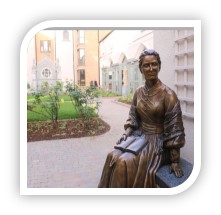
 This day commemorates two historical events that happened on November 20: the 1959 signing of the UN Declaration on the Rights of the Child and the adoption in 1989 of the Convention on the Rights of the Child. By signing on to this Convention in 1991, Canada made a commitment to ensure that all children are treated with dignity and respect and are given opportunities to reach their full potential.