

Catherine McAuley’s Death
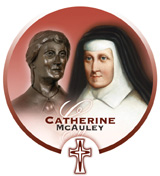
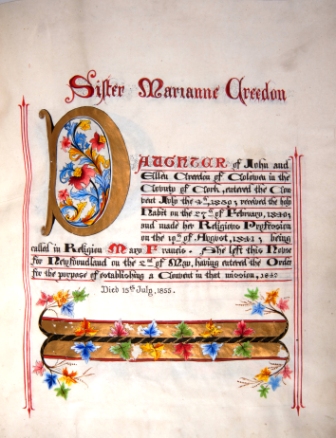
In the evening of Thursday, November 11, 1841, Catherine McAuley, the founder of the Sisters of Mercy, died of tuberculosis at the Convent of Mercy on Baggot Street, Dublin—the first of twelve convents she had established in the preceding decade. She was surrounded by members of the Baggot Street (editor: including sister Mary Francis Creedon), Booterstown, and Limerick communities, some of whom have left written eye-witness reports. Mary Elizabeth Moore (1806-1868), superior of the convent in Limerick, wrote ten days after Catherine McAuley’s death to the superior of the Mercy convent in Tullamore (founded in 1836):
She died the Death of the Just. Cautious as she was from bringing herself into notice unnecessarily in health she was still more so in sickness, waiting on herself even in her last agony, preserving to the last moment the same peace and serenity of mind which so eminently distinguished her through Life . . . . her first and last injunction to all was to preserve union and peace amongst each other . . . .
. . . . About five in the evening she asked for the candle to be placed in her hand.
We commenced the last prayers . . . .
When we thought the senses must be going and that it might be well to rouse attention by praying a little louder, she said: No occasion, my darling, to speak so loud, I hear distinctly. In this way she continued till 10 minutes before 8 when she calmly breathed her last sigh.
I did not think it possible for Human Nature to have such self-possession at the awful moment of Death but she had an extraordinary mind in Life and Death. (Letter to Mary Ann Doyle, 21 November 1841)
A Place of Pilgrimage: The Grave of Catherine McAuley
The earth grave in which the coffined body of Catherine McAuley was buried on November 15, 1841, is now sheltered by the small stone oratory built over the site in 1910 (Neumann, ed., Letters, 47). Of all the venues of pilgrimage at Mercy International Centre,
Catherine’s grave is the most frequented and the most profoundly reverenced. Here people stand, alone or in groups, in the early morning, during the day, or at twilight. Here they sense the presence of the God in whose providence Catherine McAuley had such great confidence. Here they sing hymns or pray silently or aloud in her spirit, sometimes using the words of her own “Suscipe”:
My God, I am Thine for all eternity; teach me to cast my whole self into the arms of Thy Providence with the most lively unlimited confidence in Thy compassionate tender pity.
Grant, O most Merciful Redeemer, that whatever Thou dost ordain or permit may always be acceptable to me; take from my heart all painful anxiety; suffer nothing to afflict me, but sin; nothing to delight me, but the hope of coming to the possession of Thee, my God, in Thy own everlasting Kingdom. Amen. (Limerick Manuscript)
In this spirit pilgrims to Catherine McAuley’s grave privately ask her to intercede for them and then confidently abandon their needs to God. Sometimes they leave flowers, candles, or handwritten notes; sometimes they take photographs. Always they depart with peace and gratitude for this experience.
Mary Sullivan rsm
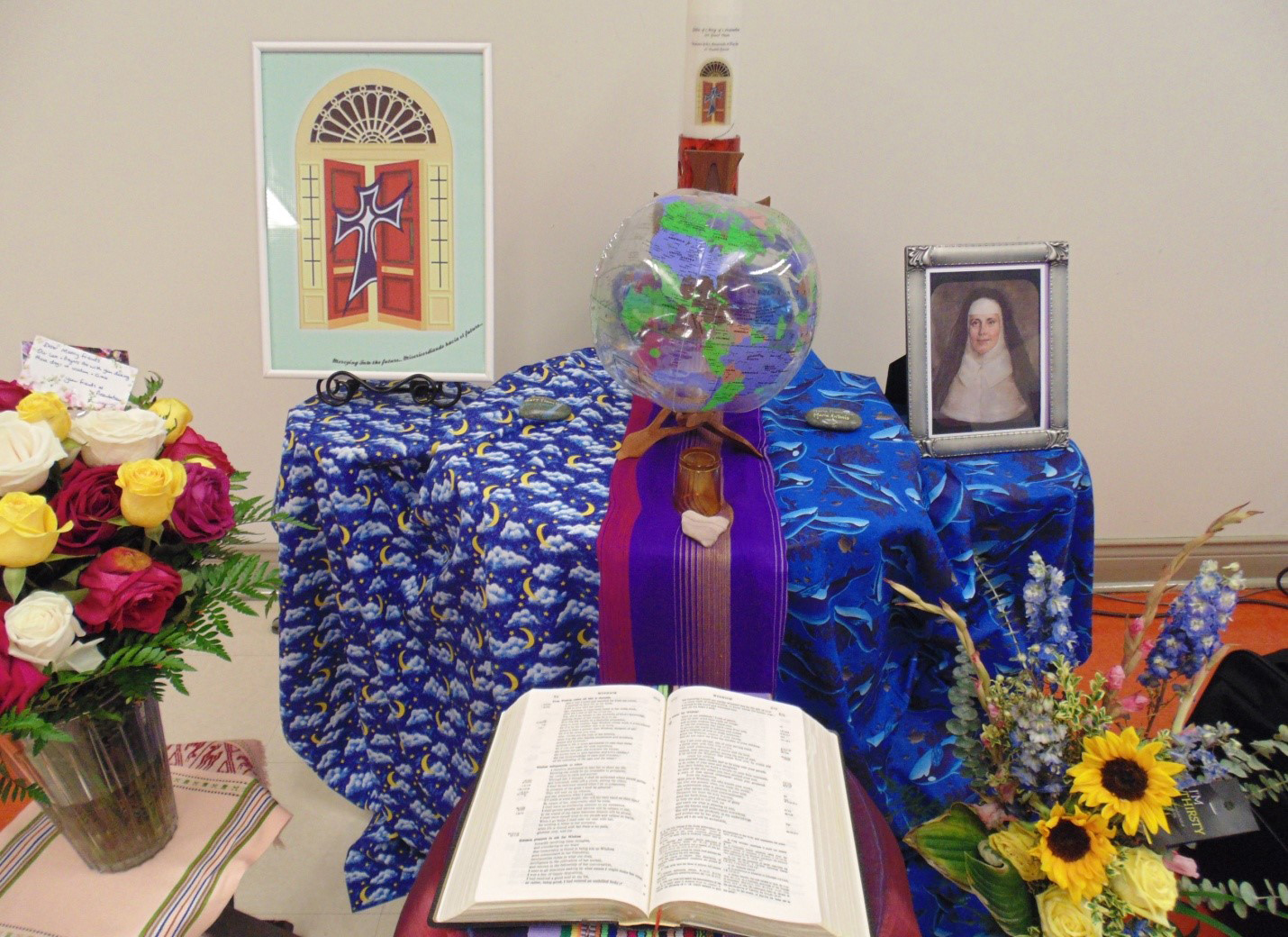
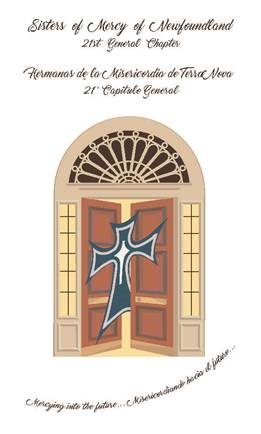 Two images, one from the logo and one from the motto, now invite us into the living out of our Chapter Statement. In the logo, the simple panes of the side panels (not the ornate decoration of the earlier drafts) remind us of a time in Catherine’s life when she was uncertain, seemingly out of her depth and without the security of her faith tradition. We are told that, denied the right to have access to any Catholic symbols or rituals, in her ingenuity she found the Cross in the window panes and door panels and the intersecting branches of trees on the lawn. I see six such crosses in the side panels of our logo – how many do you see? In a postmodern world, in what familiar yet unexpected places will we find the Creating One, the Risen One and the Spirit of peace and justice?
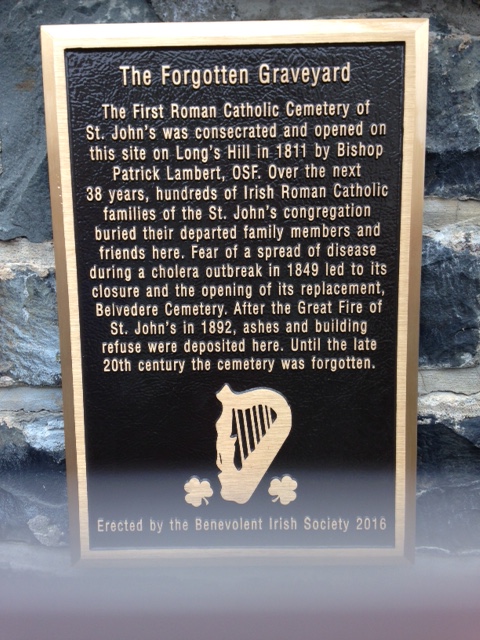 The Forgotten Graveyard, located on the grounds on which the Kirk now stands and extended to Queens Road and west to Long’s Hill, opened in 1811 but was no longer in use by 1849. In those years over 400 people were buried there.
.jpg)
(1).jpg)
.jpg)
.jpg)
.jpg)


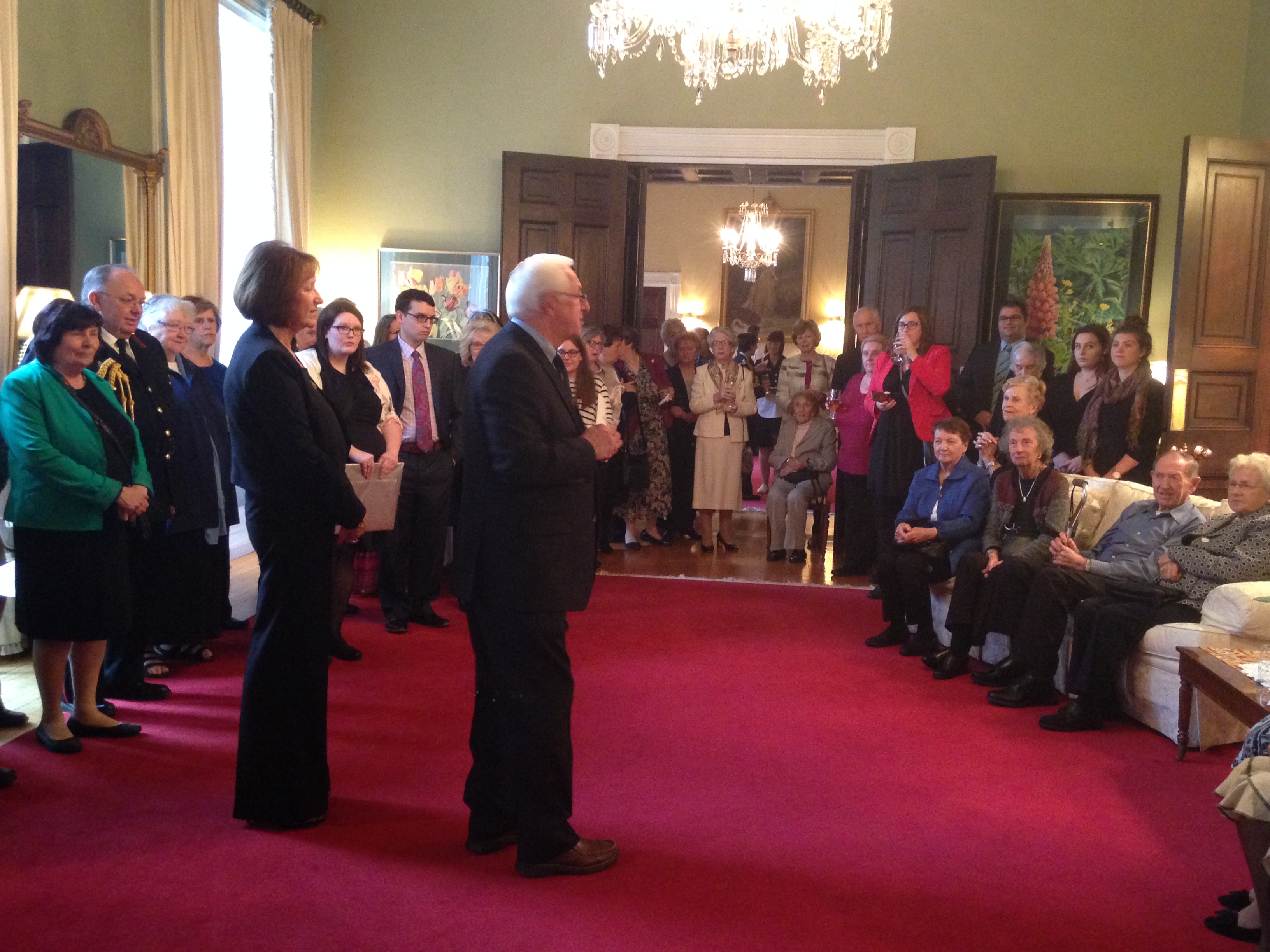
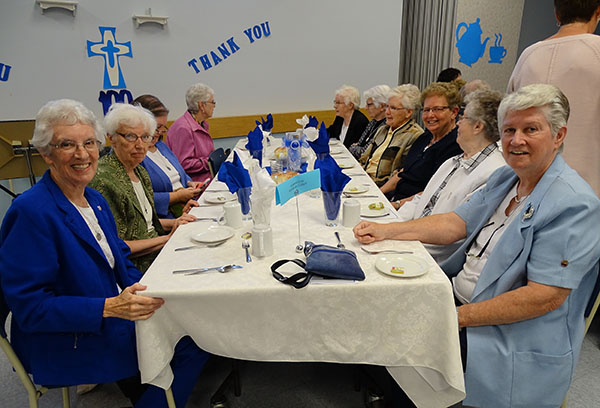
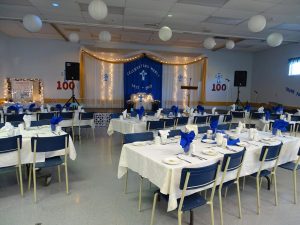
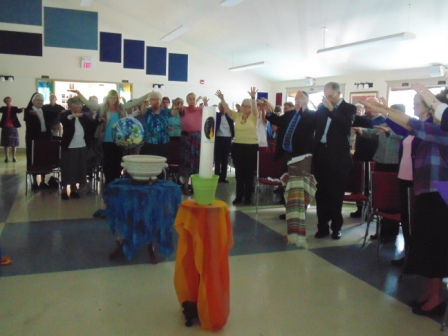 We began with the video Circle of Mercy thus bringing Sisters of Mercy from around the world into our gathering. Sister Elizabeth Davis, congregational leader, welcomed the group giving a backdrop for the celebrations. We enjoyed a slideshow of The Face of Mercy which included photos of many of the people in the room and which had been sent to Ireland to be part of the photo display during this week of celebration.
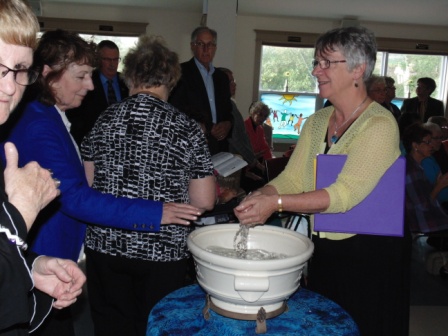 The theme of our liturgy was Caring for our Environment. The opening action invited all of life from the four corners of creation to the centre of our room as we turned to each of the directions. Various symbols were brought to the centre of the room. Water was one of the key symbols, which was later blessed. Each of us asked to approach the water prayerfully and playfully to bless ourself or others with the water. At the end of the liturgy we each turned to the various directions to bless all people and creatures in our cosmos.
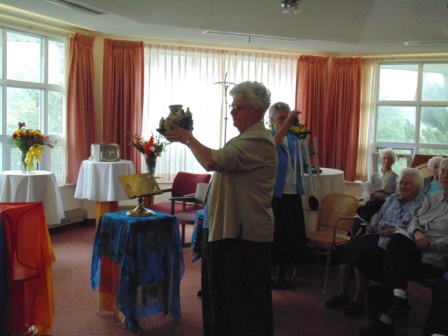 Since many of our sisters could not attend this gathering we celebrated the event at McAuley Convent on September 22. We began in the chapel with the liturgy as prepared for the worldwide celebration. It was so moving to see so many of the sister residents and staff of McAuley Convent participate in the various components of the service and to participate in the refrains. We then had a “good cup of tea” before watching the slide show “the Face of Mercy”.
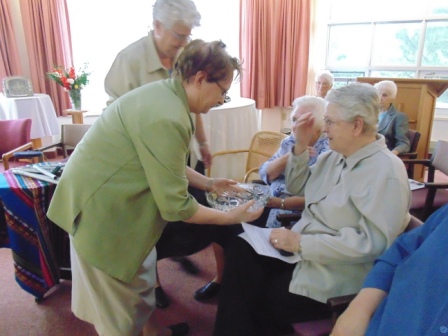 As the week continued many of our sisters joined in the worldwide celebrations as